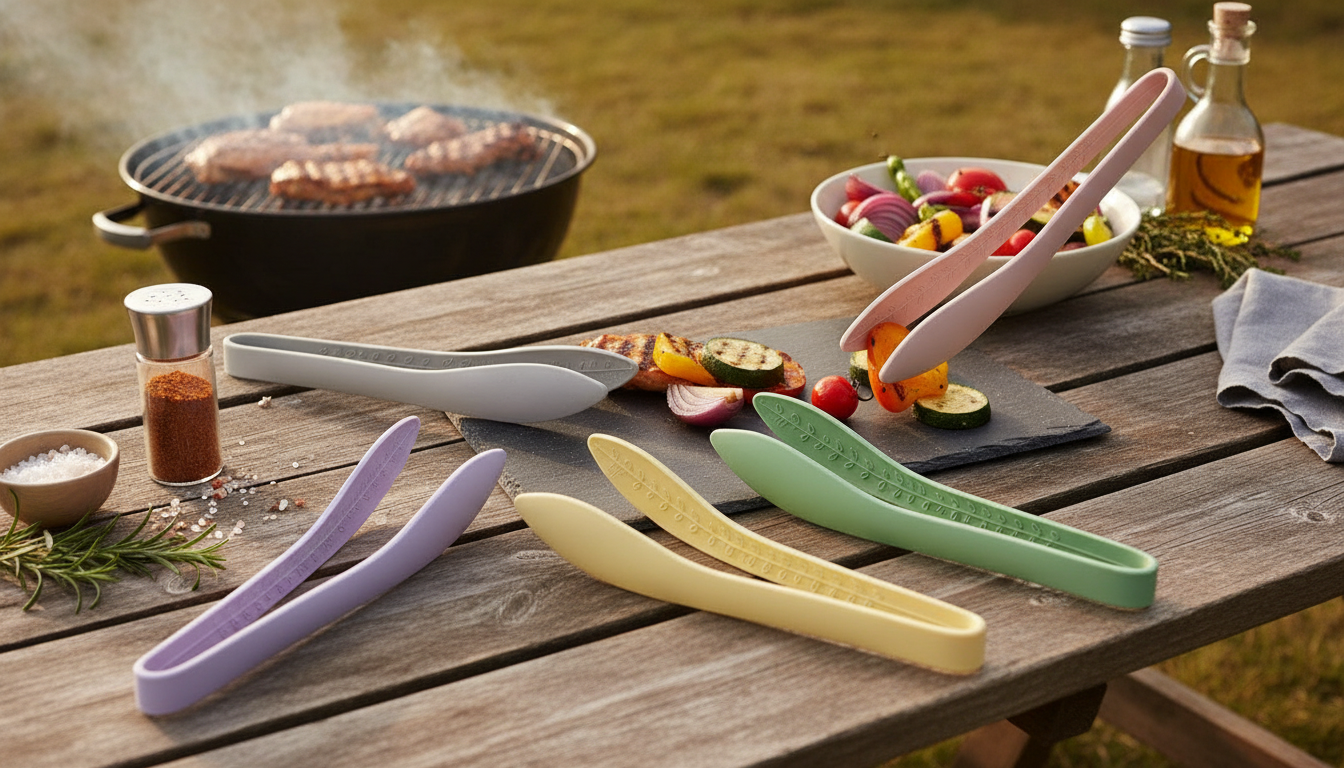
A dependable pair of grilling tongs should feel secure in the hand, protect cookware and grill surfaces, and keep fingers safely away from heat while turning delicate foods. Silicone-tipped tongs are designed to add grip without scratching, making them useful for everything from flipping burgers to lifting vegetables off a hot griddle.
If you want one tool that transitions smoothly between the backyard and the kitchen, a well-built silicone tong can become the default pick for weeknight cooks and weekend barbecues alike—especially when sauces get sticky, foods get fragile, and the grill gets hot.
Silicone tips bring a “softer touch” to grilling without giving up control. Instead of bare metal contacting the food and cooking surface, silicone provides a slightly cushioned, grippy edge that’s easier to manage when the heat is high and the timing matters.
That combination—grip plus surface protection—can make a noticeable difference when you’re turning tender fillets, moving roasted vegetables that want to roll, or plating sticky wings without shredding the skin.
Not all silicone-tipped tongs behave the same at the grill. A few build details determine whether the tool feels steady and responsive or awkward and flimsy.
Choose tongs rated for grilling temperatures and avoid leaving the tips resting on hot metal for long periods. Silicone can handle heat well when it’s designed for cooking, but direct, prolonged contact with the hottest parts of a grill can shorten tip life.
A smooth hinge matters more than it sounds: when you’re turning a full grate of food, even small resistance can become tiring. A steady spring tension also helps you lift cleanly without squeezing too hard and accidentally tearing softer foods.
The “best” tip material depends on how and where you cook. Match the tool to the cooking surface: metal tips excel at scraping and heavy lifting; silicone tips excel at grip and surface protection. For mixed setups (grill + nonstick pan + griddle), silicone tips are a versatile all-around choice.
| Tip material | Best for | Watch-outs |
|---|---|---|
| Silicone | Nonstick pans, enamel-coated grates, delicate foods, serving | Avoid prolonged direct contact with very hot metal; confirm heat rating |
| Stainless steel | Heavy meats, searing, scraping stuck bits | Can scratch nonstick and some coated surfaces; can slip on delicate foods |
| Nylon | Light-duty stovetop use and nonstick cookware | Lower heat tolerance; not ideal for high-heat grilling |
| Wood/bamboo | Serving and low-heat tasks | Not ideal for high heat; can absorb moisture and odors over time |
Good technique with tongs improves results and reduces avoidable risks. A few habits help keep food safer, prevent flare-ups from becoming a scramble, and keep hands farther from heat.
For food safety basics—especially when grilling for a group—stick to established guidance on handling raw meat and preventing cross-contamination. The USDA has a practical overview here: USDA FSIS: Barbecue Food Safety.
If you’re curious about the broader category of materials intended to touch food, the FDA’s general information on food contact substances is a helpful reference: FDA: Food Contact Substances (general information).
If your goal is steady control without scraping up your cooking surfaces, the Premium Silicone BBQ Grilling Tong is built for secure turning and serving with a silicone tip that’s gentler on surfaces. It’s the kind of tool that works just as well moving asparagus off a hot grate as it does plating pasta or tossing a salad indoors.
For flat-top style cooking, pairing tongs with a griddle helps you shift food efficiently from hot surface to tray. The Reversible Pre-Seasoned Cast Iron Griddle with Non-Stick Surface for BBQ and Cooking complements silicone tongs nicely—use the griddle for smash burgers, seared veggies, or breakfast spreads, then rely on the tongs for quick flips and clean transfers.
Yes when the silicone is designed for cooking and rated for high heat. Avoid leaving the tips in prolonged contact with very hot metal, and follow the manufacturer’s temperature guidance.
They can, especially for turning and lifting without piercing the meat. For very heavy cuts, prioritize a sturdy hinge and a strong grip so the food stays secure during the flip.
Silicone is gentler on coated and nonstick surfaces and can grip delicate foods more reliably. Stainless steel is excellent for heavy lifting and scraping, but it may scratch coatings and can feel slick on fragile items.









Leave a comment