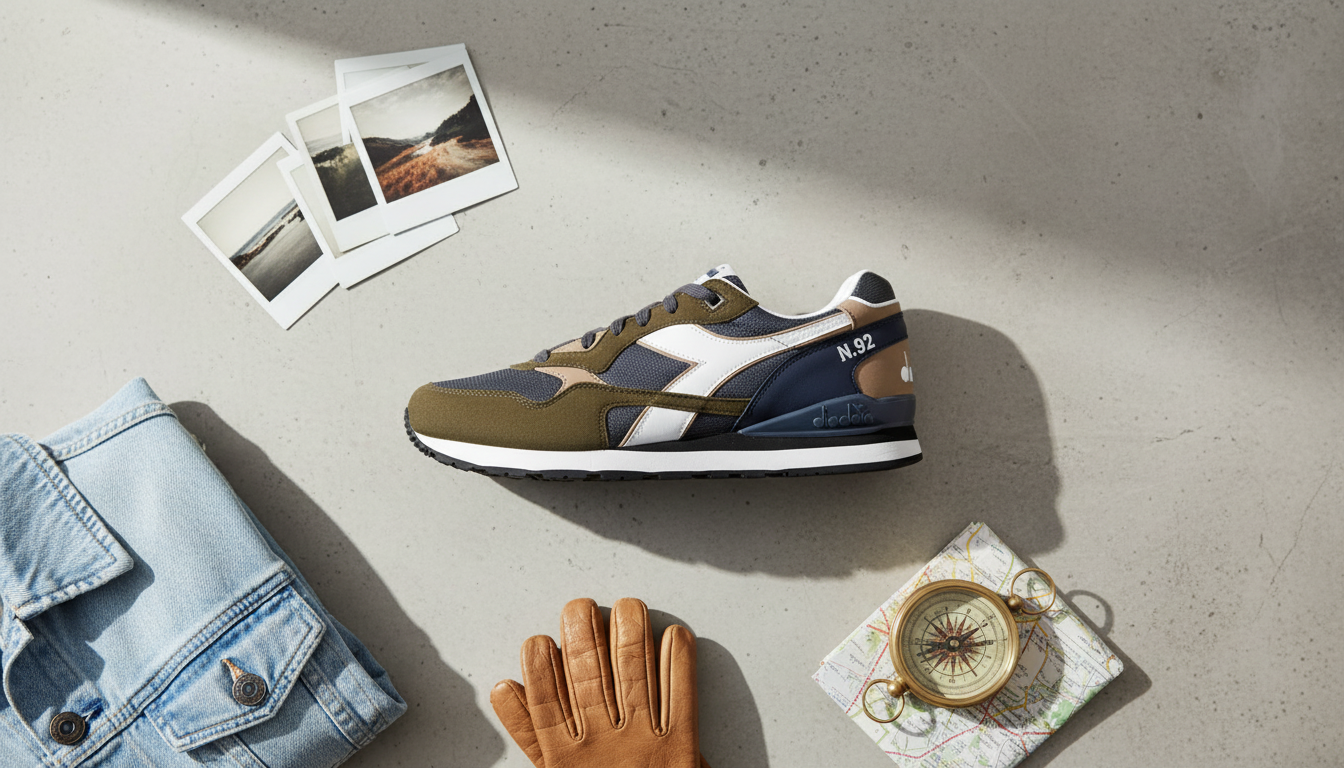
Diadora’s sporty sneakers are designed for daily wear that still feels ready for movement—easy to pair with casual outfits, supportive enough for busy days, and clean in a versatile blue colorway. Below is a practical breakdown of fit, comfort, use cases, and care to help decide if this pair matches your routine.
If you want a straightforward sneaker that looks athletic without leaning overly “technical,” a blue sporty pair tends to land in that sweet spot—casual enough for daily fits, but supportive enough for longer walks.
Blue sneakers are one of the easiest ways to add color without making an outfit feel loud. They read as relaxed and sporty, and they usually coordinate well with the staples most closets already have.
| Look | What to wear | Why it works |
|---|---|---|
| Clean casual | Dark jeans + white tee + light jacket | Blue adds contrast without overpowering |
| Athleisure | Joggers + hoodie or crewneck | Sporty shape matches performance-inspired basics |
| Smart casual (relaxed) | Chinos + polo | Sneaker keeps it modern and comfortable |
| Warm weather | Shorts + breathable tee | Blue keeps the look fresh and less stark than all-white |
A “comfortable sneaker” usually comes down to a few repeatable fit checkpoints. Before taking them outside, do a quick indoor test on hard flooring so you can confirm sizing and feel.
| Test | How to do it | Pass condition |
|---|---|---|
| Walk and turn | Walk 20 steps, then pivot and stop | No heel slip; stable stopping |
| Stair step (if available) | Step up/down a few times | No pinching on the top of the foot |
| Toe press | Press the toe area while standing | A thumb’s width in front of the longest toe |
| Lace lock trial | Use the top eyelets to lock the heel | Improves hold without numbness |
For general foot-health guidance—especially if you deal with recurring discomfort—resources like the American Podiatric Medical Association (APMA) are a helpful place to review basic fit and comfort principles.
Even a budget-friendly sneaker can last surprisingly well if the high-wear zones hold up and you rotate pairs. The key is noticing early signs before they become comfort issues.
| Area | What to check | Why it matters |
|---|---|---|
| Heel outsole | Uneven wear pattern | Can signal fit issues or gait imbalance |
| Toe bumper | Scuffs and separation | Affects longevity and appearance |
| Heel collar lining | Friction wear | Comfort and stability over time |
| Forefoot tread | Flattening or smooth spots | Traction on wet sidewalks |
For brand background and current collections, you can reference the Diadora official website.
| Step | Tool | Time |
|---|---|---|
| Dry brush | Soft brush or old toothbrush | 1–2 minutes |
| Wipe/spot clean | Microfiber cloth + mild soap | 3–5 minutes |
| Rinse wipe | Clean damp cloth | 1 minute |
| Air dry | Ventilated room | Overnight |
They can be a solid choice for all-day walking when the fit is right, since cushioning, stability, and a secure heel are the biggest comfort drivers. Do a short indoor wear test first, and consider rotating pairs to help maintain support over time.
Aim for about a thumb’s width of space in front of the longest toe, with a heel that feels secure and doesn’t noticeably slip during brisk walking. If you feel numbness or hotspots, loosen the laces or try a heel-lock lacing method—otherwise consider a different size.
Dry brush first, then spot clean with mild soap and lukewarm water, avoiding bleach or harsh chemicals that can strip dye. Air dry away from direct heat, and consider a material-appropriate protector spray to reduce future staining.









Leave a comment