High-Speed Cordless Hair Clipper + T-Blade Trimmer: The At-Home Grooming Duo That Covers It All
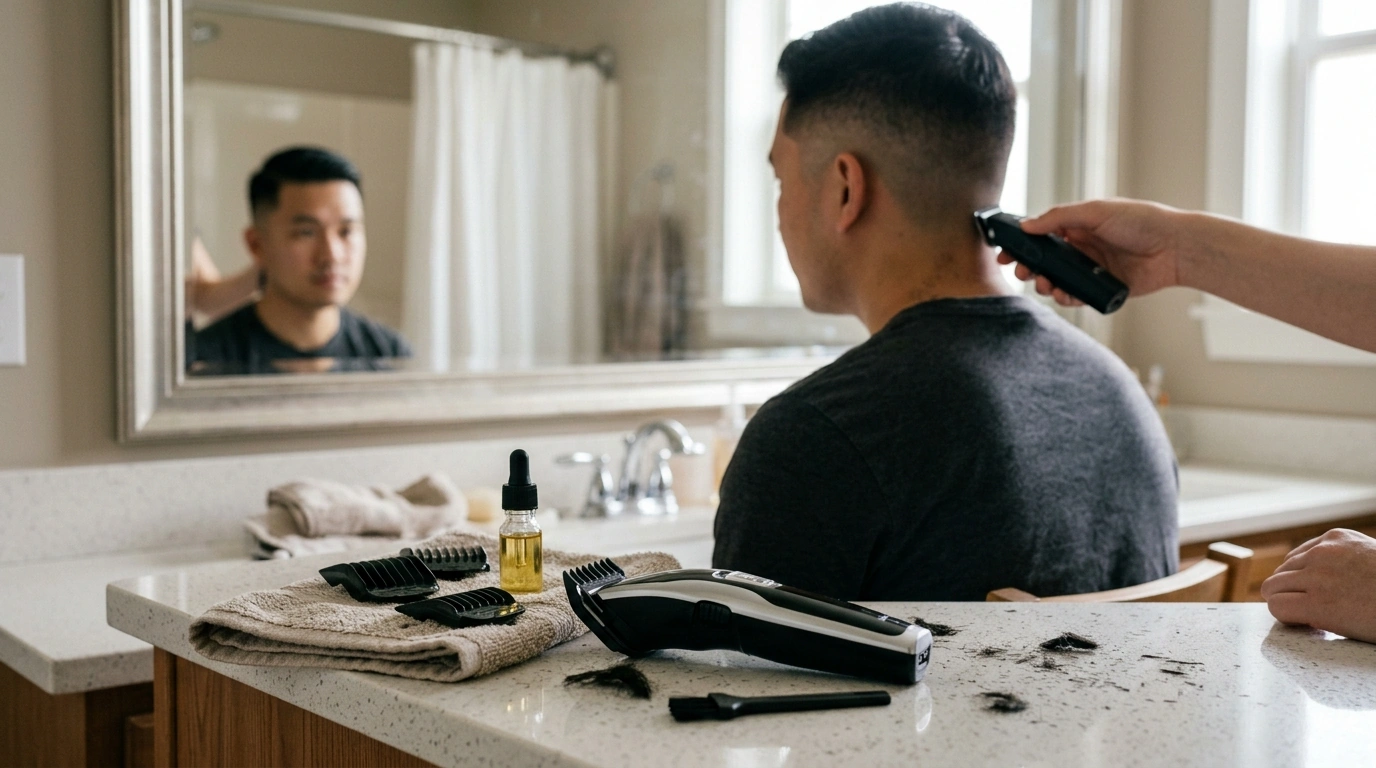
A cordless clipper and T-blade trimmer combo handles most at-home grooming needs—from fast bulk cutting to crisp lineups. The clipper does the heavy lifting (length removal and guard work), while the T-blade trimmer cleans edges and details with control. Below is a practical guide to choosing and using a high-speed set, plus simple care steps that keep blades cutting smoothly over time. For more guidance, see Professional Hair Clippers for Men Beard Trimmers Kit ….
What a clipper + T-blade set is designed to do
- Handle full haircuts at home: use the clipper for bulk removal and guard-based cutting, then switch to the T-blade for tight detail work.
- Create sharp edges: define the hairline, sideburns, neckline, and beard outlines with crisp, clean lines.
- Make fades easier: blend transitions by stepping through guard lengths and using short, controlled passes.
- Reduce snagging: consistent motor speed plus correct blade alignment (and lubrication) helps prevent pulling.
Key features that matter in a high-speed cordless set
- Motor speed and torque: higher speed can move through dense hair with fewer passes, while good torque helps avoid bogging down mid-stroke.
- Blade type: clipper blades are built for efficient cutting with guards; a T-blade excels at corners, close detailing, and cleaner edge-ups.
- Cordless power consistency: look for stable performance as the battery drains so the cut stays even from start to finish.
- Grip and balance: a lighter, well-balanced tool reduces wrist fatigue—especially during fades and when working around ears.
- Noise and vibration: lower vibration improves control when outlining beards and lining up near sensitive areas.
At-a-glance role guide: clipper vs T-blade trimmer
For most cuts, think “clipper first, trimmer last.” The clipper removes length efficiently with guards; the T-blade finishes the job with precision. If skin is sensitive, use minimal pressure and avoid repeated dry passes on the same spot. For further reading, see New Professional Hair Clippers for Men ….
Quick guide to choosing the right tool during a cut
| Task |
Best tool |
Tip for cleaner results |
| Remove bulk length on top/sides |
Cordless hair clipper |
Start with a longer guard than expected; step down gradually |
| Blend a fade |
Cordless hair clipper |
Use a flick-out motion and work in small sections |
| Line up front hairline |
T-blade trimmer |
Set the line first, then connect corners; use light taps |
| Clean neckline and behind ears |
T-blade trimmer |
Stretch skin slightly and follow natural contours |
| Define beard outline and mustache edges |
T-blade trimmer |
Comb beard first; trim stray hairs before setting a hard line |
| Final touch-up for symmetry |
T-blade trimmer |
Check in a mirror from multiple angles and even both sides |
How to use the set for a simple at-home cut
- Prep: wash hair or lightly dampen (if preferred), detangle thoroughly, and fully charge tools to keep power consistent.
- Bulk cut: start with the clipper and a longer guard. Remove length evenly over the head before refining or “chasing perfection.”
- Fade (optional): work from shortest to longer in steps. After each step, blend the transition line before moving up—this prevents a harsh “ledge.”
- Detail: switch to the T-blade trimmer for the hairline, sideburns, and neckline. Use short taps rather than long drags.
- Beard: trim bulk first (clipper + guard if needed). Then edge with the T-blade for crisp borders and tighter corners around the mustache.
- Finish: brush off loose hair, check symmetry, and keep touch-ups minimal to reduce irritation.
For extra comfort when edging, follow basic bump-prevention habits like using light pressure and avoiding repeated passes over the same area; the American Academy of Dermatology also shares practical guidance for reducing bumps and irritation in facial hair grooming routines: American Academy of Dermatology Association — Shaving tips to prevent razor bumps.
Blade care, cleaning, and comfort tips
- Brush out hair after each use: trapped hair increases heat and can make cutting feel dull or “scratchy.”
- Oil lightly: a small amount reduces friction, keeps blades running smoother, and helps maintain consistent cutting.
- Disinfect after use: especially if tools are shared. Let everything dry fully before storage.
- Use gentle pressure up close: a T-blade can cut very close—avoid pressing hard and avoid repeated dry passes in the same spot.
- Store protected and dry: prevents blade nicks and helps keep alignment stable.
For general consumer guidance on product safety and proper use of personal-care items, review: U.S. Food & Drug Administration — Cosmetic product safety.
Troubleshooting common issues
Product options in stock
FAQ
What is a T-blade trimmer used for compared to a hair clipper?
A hair clipper is built for bulk cutting and guard-based length control, while a T-blade trimmer is meant for precision lineups, tight corners, neck cleanup, and detailed beard edging. For close work, use lighter pressure and short taps to keep lines clean and reduce irritation.
How often should clipper and trimmer blades be oiled?
Lightly oil after cleaning or every few uses to keep friction and heat down. If hair is thick or sessions are long, oil more frequently and wipe away excess to prevent buildup.
How can irritation be reduced when edging with a trimmer?
Start with clean, lightly oiled blades and use minimal pressure with fewer passes in the same area. Stretch skin gently for a flatter surface, then cleanse and moisturize afterward; avoid trimming over inflamed or broken skin.
Recommended for you









Leave a comment