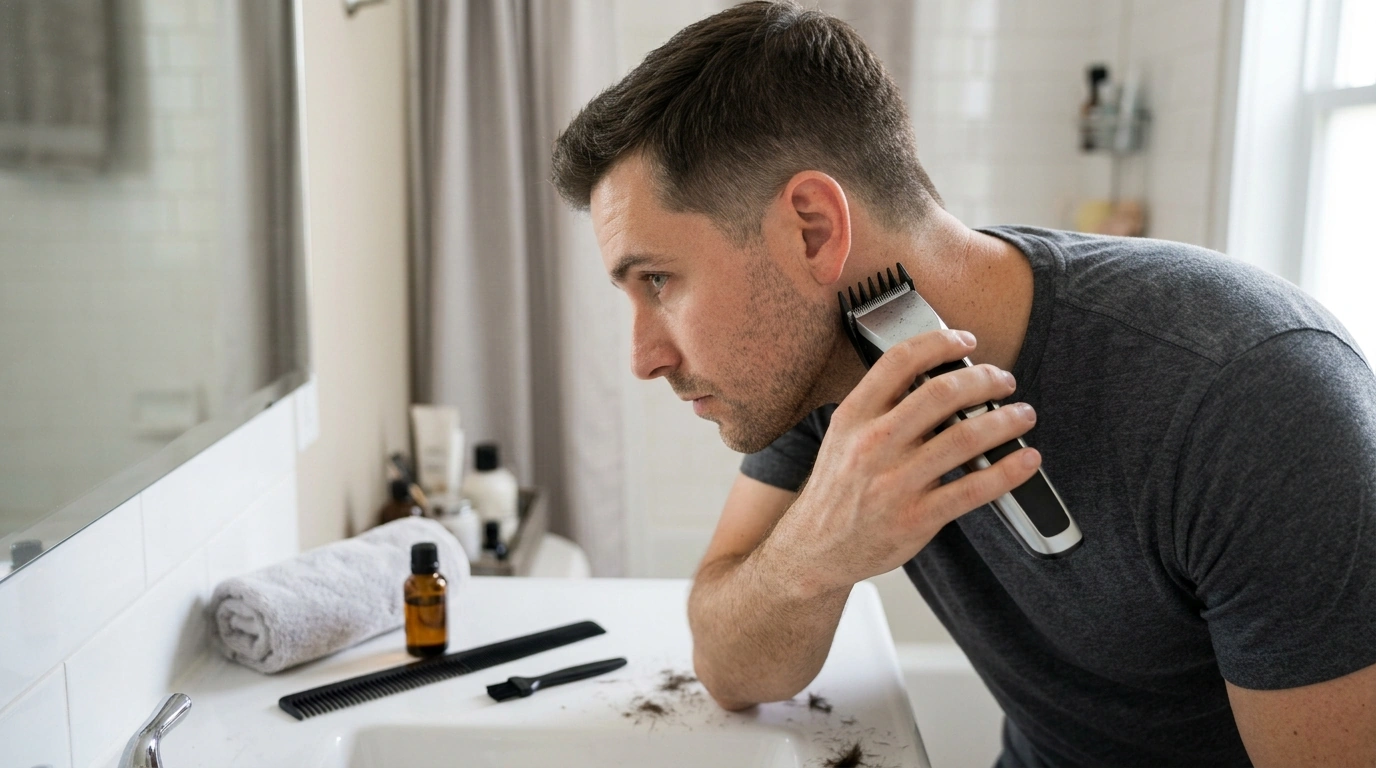
Cordless clippers make it easier to keep fades crisp, outlines clean, and beard lines sharp without fighting a cord. The right set should feel steady through thick spots, stay comfortable during longer sessions, and deliver predictable runtime so the cut looks consistent from the first pass to the final detail. For more guidance, see VGRPRO Professional Hair Clippers for Men, Cordless ….
“Professional” is less about a label and more about how the clipper behaves in real use—especially around dense growth, tight curves behind the ear, and precision work at the neckline. For further reading, see https://americanbarber.org/Americanbarber/the-6-be….
When shopping for cordless clippers, focus on the parts that impact results the most: the blade, the motor, the guard system, and how the tool feels in your hand.
| Feature | Why it matters | What to look for |
|---|---|---|
| Motor strength | Prevents snagging and uneven passes | Consistent cutting on thick hair and during fast passes |
| Blade sharpness/alignment | Cleaner outlines and blends | Smooth cut, minimal pulling, even contact across the blade |
| Guard variety | More haircut options and consistent lengths | Multiple sizes that fit securely without wobble |
| Runtime | Finish full cuts without recharging | Enough time for a haircut plus detailing |
| Ergonomics | Better control for fades and lineups | Comfortable grip, balanced weight, stable thumb rest |
| Maintenance access | Keeps performance consistent over time | Easy blade removal/cleaning and straightforward oiling |
Home haircuts look “pro” when the transition zones are soft and the edges are deliberate. Technique matters as much as the tool, so set yourself up for control.
If skin is easily irritated, basic hygiene and gentler contact make a noticeable difference. General skin-irritation prevention guidance from the American Academy of Dermatology Association can be helpful when edging around the neck and cheeks.
The biggest upgrade with cordless clippers is freedom of movement: it’s easier to keep a consistent wrist angle around the ears, neckline, and crown without a cord tugging mid-stroke.
For general cleaning and surface upkeep around grooming areas, the CDC’s cleaning and disinfecting guidance is a solid reference point.
A repeatable routine prevents overcutting and helps the haircut look even from multiple angles.
For tool hygiene concepts that overlap with grooming safety, the FDA’s general guidance on hygiene and infection prevention is a useful reminder to keep tools clean and avoid sharing without proper cleaning.
Oil the blades after each use (or every few uses for light trimming) to reduce heat and friction. If the clipper starts sounding louder, running hot, or pulling hair, it’s usually a sign the blades need cleaning and oil. Wipe away excess oil so it doesn’t attract buildup.
Yes, but it depends on motor strength, blade sharpness, and technique. For thick or curly hair, take slower passes in smaller sections, keep the blade clean and lightly oiled, and make sure guards lock on securely to avoid skipping.
Use gradual guard steps, a light flick-out motion at the end of each stroke, and lever/taper adjustments if available. Don’t press hard—let the clipper do the work—and check the blend often in good lighting using multiple mirror angles.










Leave a comment