HomeBlogBlogToddler Nightmares: Quick Comfort Scripts & Bedtime Fixes

Toddler Nightmares: Quick Comfort Scripts & Bedtime Fixes

Toddler Nightmares: Quick Comfort Scripts & Bedtime Fixes

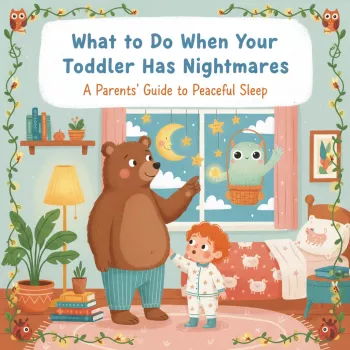
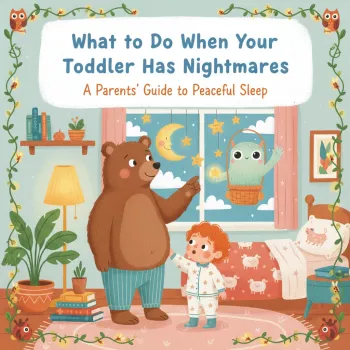
What to Do When Your Toddler Has Nightmares: Calm, Comfort, and Better Bedtimes

Toddler nightmares can feel sudden and intense—tears, clinging, and repeated wake-ups that leave everyone exhausted. The good news: most nightmares are a normal part of development, and simple, steady responses can help a child feel safe again while reducing how often they happen. Use the steps below to calm the moment, build a reassuring bedtime routine, and know when extra support is needed.

Nightmares vs. Night Terrors: Why the Difference Matters

It helps to identify what you’re dealing with, because the “right” response looks different.

  • Nightmares usually happen in the second half of the night. Your toddler often wakes up scared, wants comfort, and may remember pieces of the dream.
  • Night terrors typically happen earlier in the night. A child may scream, look awake, and be hard to console, but isn’t truly awake and won’t remember it the next day.
  • If your child can talk with you, asks for you, or can be soothed with closeness, it’s more likely a nightmare.
  • If episodes are frequent, involve dangerous behaviors (running, thrashing), or last a long time, discuss them with a pediatrician.

For more background on common sleep disruptions, see guidance from the American Academy of Pediatrics (HealthyChildren.org) and the National Sleep Foundation.

What to Do in the Moment: A Calm, Repeatable Response

When a toddler wakes from a nightmare, the goal is to signal safety without turning the wake-up into a long, bright, chatty event that fully reactivates their nervous system.

  • Go to your toddler quickly, keep lights low, and use a soft voice.
  • Offer simple reassurance that names the feeling and the safety: “That was a scary dream. You’re safe. I’m here.”
  • Use grounding: gentle back rubs, slow breathing together, a sip of water, or holding a comfort item.
  • Avoid lengthy questions about the dream right away; focus first on calming the body.
  • If they want to talk, keep it brief and concrete, then guide them back to bed with a predictable phrase.
  • If they’re too activated to lie down, sit together for 2–5 minutes, then try again with a consistent routine (snuggle, phrase, tuck-in).
  • If nightmares repeat nightly, use a short, structured plan rather than improvising each time.

Quick Nighttime Response Plan

Step What to say/do Why it helps
1. Reassure “You’re safe. I’m right here.” Signals safety and reduces panic
2. Ground Hand on back, slow breaths, sip of water Calms the stress response
3. Reset Short phrase: “Back to bed; I’ll check on you.” Builds predictability and sleep cues
4. Return Brief check-in after a few minutes if needed Supports independence without long wake-ups

Comforting Scripts That Work (Even When Everyone Is Tired)

Scripts keep the response steady, especially at 2 a.m. when it’s easy to accidentally add new habits (extra snacks, long conversations, moving into the parents’ bed) that make future wake-ups more likely.

  • Validation + safety: “That felt scary. Dreams can’t hurt you. Your body is safe in your bed.”
  • Simple choice for control: “Do you want the blue blanket or the stuffed bear?”
  • “Monster” worries without reinforcing fear: “Let’s make the room feel cozy and safe—nightlight on, curtains closed, door cracked.”
  • Teach a quick coping tool: “Smell the flower… blow out the candle” breathing for 3 cycles.
  • A predictable ending line: “I love you. It’s sleeping time. I’ll see you in the morning.”

Daytime Prevention: Reduce the Chances of Nightmares

Nightmares don’t always have a single cause, but the pattern often improves when the day sets the stage for a calmer night.

Bedtime Routine Upgrades: Small Changes With Big Payoff

When Nightmares Keep Happening: Patterns to Track

For additional perspective on night terrors (which can be confused with nightmares), the NHS offers an overview that many parents find clarifying.

When to Talk to a Pediatrician or Specialist

A Practical Resource for Parents Who Want a Step-by-Step Plan

FAQ

Is it normal for a toddler to have nightmares every night?

Occasional nightmares are common, but nightly nightmares for weeks can signal a trigger like overtiredness, stress, illness, media exposure, or an inconsistent routine. Track patterns for 1–2 weeks, and contact your pediatrician if the frequency is persistent, severe, or affects daytime functioning.

Should a toddler sleep in the parents’ bed after a nightmare?

Short-term comfort is understandable, but repeated bed-sharing after nightmares can quickly become a learned pattern. When possible, calm your child in their room with a brief cuddle and a consistent script, then help them return to their bed; if separation anxiety is intense, use gradual steps rather than abrupt changes.

What’s the fastest way to calm a toddler after a nightmare?

Use low light and a soft voice, reassure safety, add gentle touch, and do a quick grounding tool like slow breathing together. Keep questions minimal, then end with a predictable closing phrase to cue sleep and reduce prolonged wake-ups.

Was this article helpful?

Yes No
Leave a comment
Top

Shopping cart

×