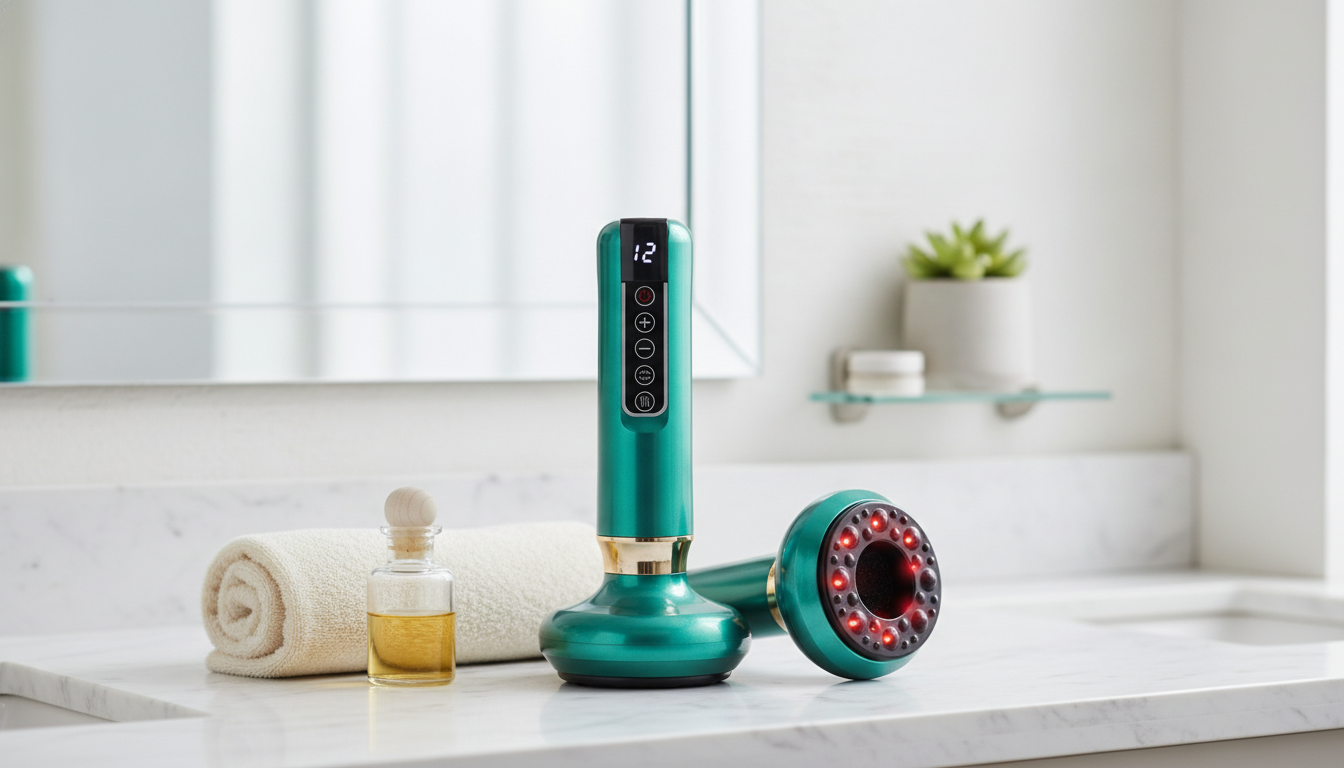
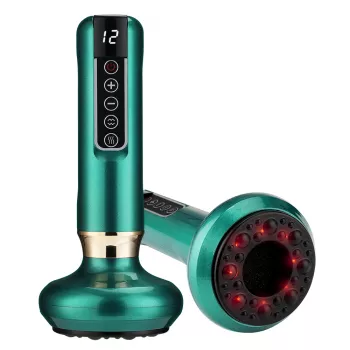
A wireless cupping massager that combines adjustable suction, soothing heat, scraping-style massage, and infrared-style warmth can help support relaxation and temporary relief of everyday muscle tightness. With multiple levels to choose from, it’s easier to tailor the feel for different areas—whether you’re dealing with desk-related shoulder tension or post-workout leg stiffness. Below is a practical guide to how it works, how to use it safely, and how to choose comfortable settings without overdoing it.
What this device is designed to do
- Combines cupping-style suction with heated massage to encourage a relaxing, loosening sensation in tight muscles.
- Adds a scraping-style massage mode intended to mimic gua sha-style strokes for soft-tissue comfort.
- Includes infrared-style warming intended to complement heat for a deeper-feeling warmth.
- Wireless design supports use without being tethered to a cord during sessions.
It’s best thought of as an at-home comfort tool for routine muscle tightness—not a cure for injuries or a substitute for medical care. For a helpful overview of cupping, the National Center for Complementary and Integrative Health (NCCIH) explains common uses, safety notes, and what current evidence does (and doesn’t) show.
Core features to know before the first session
- 12 intensity levels: Gradual ramp-up helps avoid overdoing suction or heat on sensitive areas.
- Heated function: Commonly used for neck, shoulders, back, hips, and legs when muscles feel stiff.
- Scraping mode: Best used with controlled movement rather than staying fixed in one spot.
- Infrared-style therapy: Intended to add gentle warmth; comfort varies by person and area.
- Portable and rechargeable: Plan to charge fully before longer sessions.
Quick setting guide by body area (start low and adjust slowly)
| Area |
Suggested starting level |
Typical session time |
Notes |
| Upper back/shoulders |
Level 1–3 |
5–10 minutes |
Avoid direct use on bony areas; keep moving if using scraping mode |
| Lower back |
Level 1–3 |
5–10 minutes |
Stay away from spine; use moderate heat for comfort |
| Thighs/hamstrings |
Level 2–4 |
8–12 minutes |
Larger muscle groups may tolerate more suction than neck/shoulders |
| Calves |
Level 1–3 |
5–10 minutes |
If cramp-prone, start shorter and use gentle heat |
How cupping, heat, and scraping-style massage can feel in practice
- Suction sensation: A pulling/tugging feeling that can be relaxing when mild and controlled.
- Warmth sensation: Heat may help muscles feel more pliable and comfortable during massage.
- Scraping-style sensation: Can feel like firm stroking; best kept moderate to avoid irritation.
- After-effects: Temporary redness can occur; discomfort is a signal to reduce intensity or stop.
Heat is often used for everyday stiffness, but it should feel soothing—never sharp or burning. For general heat-therapy guidance, see the Cleveland Clinic’s overview of heat therapy and Mayo Clinic’s notes on heat and cold therapy, especially if you’re unsure when to use warmth versus rest and cold.
Step-by-step use (safe, practical routine)
- Prep: Clean and dry skin. Avoid lotions that could cause slipping unless the device specifically supports glide use.
- Start low: Begin at the lowest suction/heat level and increase only after a minute or two.
- Placement: Keep the cup on fleshy muscle areas; avoid joints, the front of the neck, and bony spots.
- Movement: For scraping-style massage, move slowly and steadily; avoid repeated passes over the same irritated area.
- Session length: Keep early sessions short (5–10 minutes) until tolerance is known.
- Aftercare: Hydrate, rest the area, and avoid intense pressure on any tender spots.
A good rule: if your body “braces” against the sensation, the setting is too aggressive. Comfort-first use tends to deliver better relaxation and fewer lingering marks.
Who should avoid cupping-style devices or check with a clinician first
- People with bleeding disorders or those using blood thinners, unless cleared by a clinician.
- Areas with broken skin, rashes, infections, sunburn, or significant bruising.
- People with certain vascular conditions, uncontrolled diabetes-related skin sensitivity, or reduced sensation.
- Pregnancy considerations: avoid abdominal and low-back use unless approved by a clinician.
- If pain, blistering, significant bruising, dizziness, or numbness occurs, stop and seek medical advice.
Getting better results: common mistakes and quick fixes
Product details and where to buy
For a simple cool-down option that pairs well with relaxation routines (especially around the face and eyes), consider the Ice Roller for Face & Eyes – Skin Tightening Facial Massage Tool.
FAQ
Does cupping leave marks, and how long do they last?
Yes, temporary redness or circular marks can happen depending on suction level, session length, and skin sensitivity. They often fade over several days; starting on a low level and limiting time helps reduce the chance of noticeable marks.
How often can a heated cupping massager be used?
Many people start a few times per week and space sessions out to monitor how their skin responds. Keep sessions shorter on sensitive areas, and stop or reduce intensity if irritation develops.
Where should it not be used?
Avoid the front of the neck/throat, the spine, broken or inflamed skin, infected areas, varicose veins, and numb or sensory-impaired areas. If you have a medical condition that affects circulation, sensation, or bruising, check with a clinician before use.
Recommended for you







Leave a comment