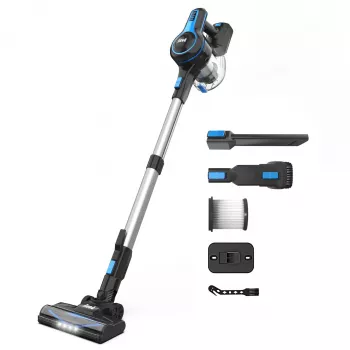
A lightweight cordless vacuum can simplify everyday cleanup—especially when switching between rugs, hard flooring, and hair-prone areas like entryways, couches, and around pet zones. A 20Kpa-class cordless model is designed for fast, frequent pick-ups: the kind of cleaning that keeps grit from spreading, hair from collecting in corners, and crumbs from turning into a daily annoyance. Below is a practical look at what this suction range is best at, how to get better results on carpet and hard floors, and the habits that help keep suction consistent over time.
For many homes, 20Kpa suction hits a sweet spot between convenience and everyday performance. It’s most effective when used often—short sessions that prevent buildup.
Two vacuums can have similar suction on paper and still feel very different in daily use. Lightweight cleaning is as much about balance and maneuvering as it is about power.
Carpet needs time and airflow. With cordless vacuums, technique often matters more than brute force—especially on high-traffic paths.
If a room has a mix of rugs and hard flooring, start with rugs while the vacuum is at peak airflow, then finish on hard floors where the remaining fine dust is easier to collect.
Hard floors show everything: hair strands, dust lines near baseboards, and gritty particles that get tracked in from outdoors. A cordless vacuum is especially useful for quick edge work.
For households managing allergens and fine particles, regular vacuuming supports cleaner indoor air alongside other habits like changing HVAC filters and controlling entryway dust. The EPA’s indoor air quality guidance offers helpful context on reducing indoor particle buildup.
Hair is a special kind of mess: it’s light, stringy, and eager to wrap around rollers. The goal is to pick it up before it turns into mats and clogs.
For additional perspective on efficient vacuum use and household energy considerations, the U.S. Department of Energy’s vacuum cleaner overview is a useful reference.
| Factor | What to look for | Why it matters |
|---|---|---|
| Suction level | Around 20Kpa class performance | Better pickup on rugs and hair-heavy zones |
| Weight | Light enough for one-hand use | Less fatigue on stairs and above-floor cleaning |
| Floor types | Carpet + hard floor capable head/attachments | Smoother switching between rooms |
| Hair handling | Brush/roller that can be cleaned easily | Reduces tangles and performance drops |
| Maintenance | Easy bin emptying + washable filters | Helps keep airflow strong and odors down |
It’s typically enough for routine carpet pickup like dust, crumbs, and hair, especially with slower, overlapping passes. On thick or high-pile carpet, deeply embedded sand may take extra passes or a higher-power mode if available.
Empty the bin frequently, clean the roller/brush regularly, and check the intake path for clumps that restrict airflow. For upholstery, use the smaller tools to lift hair from fabric so it doesn’t wad up in the floor head.
Start with the dust cup (empty it), then check the nozzle/intake for a blockage, and inspect the filter for dirt or dampness. After that, remove hair wrap from the roller and look for loose seals that could be leaking suction.







Leave a comment