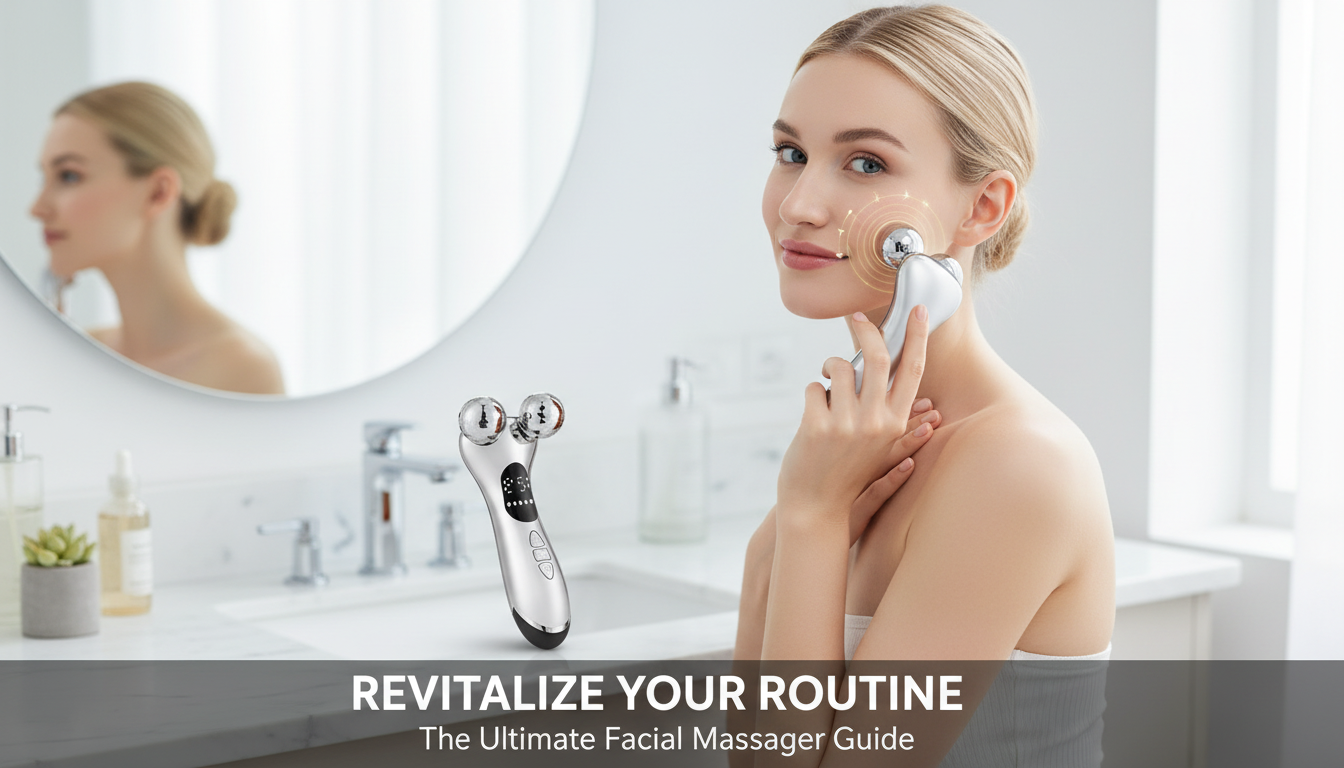
A 4D roller paired with gentle micro-current is designed to support a firmer-looking, refreshed complexion by combining rolling massage with mild electrical stimulation. This guide explains what the tool does, who it tends to suit, how to use it comfortably, and how to build a simple 5–10 minute routine for cheeks, jawline, and neck.
A 4D roller micro-current massager combines multi-angle rolling heads with low-level micro-current to pair mechanical massage with mild stimulation. The rolling action follows facial contours—cheekbones, jawline, and the sides of the neck—so movement feels directional rather than random. Micro-current is commonly used in at-home aesthetics to support temporary toning and a more awake look when used consistently. For best glide and contact, it’s typically used with a conductive medium such as a conductive gel, hydrating serum, or a water-based moisturizer.
Micro-current refers to very low electrical currents intended to mimic the body’s natural electrical signals. In aesthetics, it’s used to support the appearance of facial toning and improved contour over time with regular use. Most at-home tools prioritize comfort; a mild tingling sensation can be normal when your skin has enough slip and the device maintains steady contact. Consistency matters more than intensity—pressing harder doesn’t “boost” results and can leave skin feeling irritated or warm.
For a deeper overview of microcurrent facials, see the Cleveland Clinic’s explainer: Microcurrent treatment: What it is, how it works, and benefits.
For the smoothest, most comfortable session, use the device on clean skin with a slip layer. A conductive gel is ideal, but a hydrating, water-based serum or moisturizer can also help the heads glide while improving contact.
Think “slow and controlled” rather than fast rolling. Repeat each path 3–5 times instead of pressing harder.
| Goal | Session length | Frequency | Prep | Notes |
|---|---|---|---|---|
| Morning de-puff | 3–5 minutes | 3–5x/week | Hydrating serum or gel | Finish with SPF; keep pressure feather-light |
| Jawline/cheek sculpt | 5–10 minutes | 4–6x/week | Conductive gel recommended | Focus on upward/outward strokes; avoid dragging |
| Relax tension | 5 minutes | As needed | Moisturizer with slip | Pause on sore areas; do not press into inflamed skin |
| Sensitive-skin start | 2–3 minutes | 2–3x/week | Gentle, fragrance-free gel | Alternate with strong actives; patch-test products used for slip |
For a broad safety and contraindications overview related to electrical stimulation, see: Electrical stimulation and contraindications (patient safety overview).
Most people do well using it about 2–6 times per week, depending on skin sensitivity. Start with shorter sessions a few times weekly, then increase frequency if your skin stays calm and comfortable.
They can support a temporarily more sculpted look, but results vary and are usually not permanent. Consistent use, light upward massage, and good hydration tend to make the biggest visible difference.
Use a conductive gel when possible, or a water-based hydrating serum/moisturizer to provide slip and improve contact. If you’re sensitive, avoid layering strong actives (like retinoids or acids) right before the session.










Leave a comment