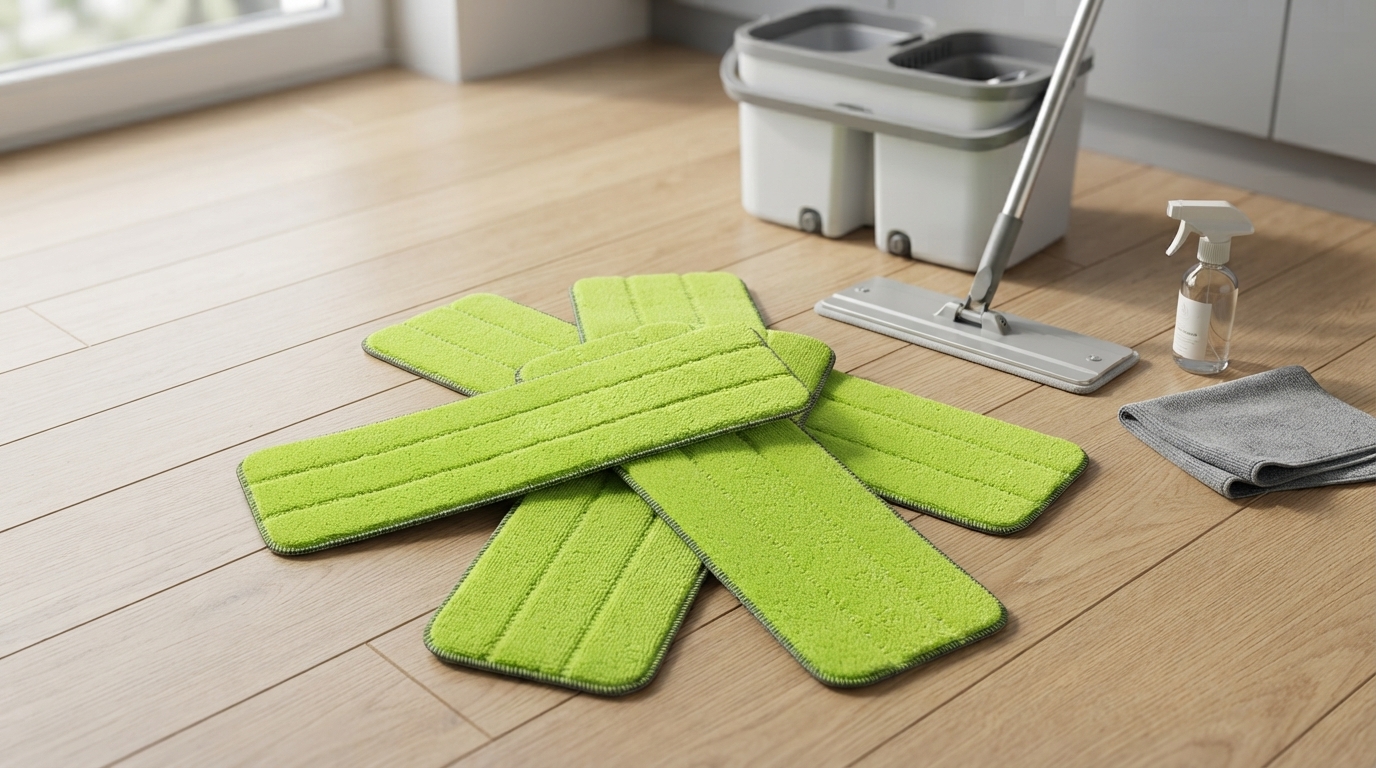
A reliable set of reusable microfiber pads can make a flat mop system faster, cleaner, and less wasteful. A 5-pack is designed for rinse-and-wring style flat mop buckets, offering a practical rotation for everyday spills, weekly deep cleans, and quick touch-ups. When you always have a clean pad ready, floors get cleaner with fewer streaks, and the whole routine feels less like a stop-and-start chore.
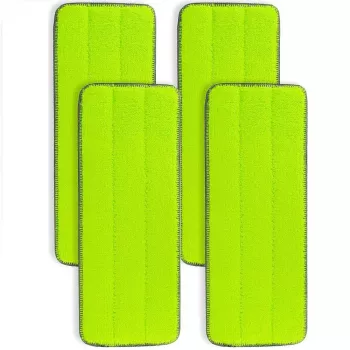
If you use a flat rinse-and-wring bucket, consider keeping a dedicated set on hand like the 5-Pack Microfiber Reusable Mop Pads for Flat Rinse & Wring Systems so you can swap mid-clean without waiting on laundry.
In practice, the biggest upgrade is consistency: microfiber works best when the fibers are open and able to grab dust and soil. Once a pad gets saturated with debris, it starts pushing grime around instead of lifting it.
A quick fit check makes a noticeable difference. When the pad sits evenly across the plate, the wring step removes water more uniformly, which helps prevent drip marks and hazy films—especially on darker or glossy floors.
For general cleaning guidance (including when to clean versus disinfect), the CDC’s cleaning and disinfecting recommendations are a helpful baseline. And if you want a deeper explanation of why microfiber “grabs” so well, the American Cleaning Institute offers practical overviews of microfiber care and performance.
| Pad | Primary use | When to swap | Laundry notes |
|---|---|---|---|
| Pad 1 | Kitchen + dining damp mop | After visible soil buildup or loss of glide | Wash after each use; avoid fabric softener |
| Pad 2 | Bathroom floors | After one bathroom session | Wash hot/warm as allowed; dry thoroughly |
| Pad 3 | Entryway + hallways | After sand/salt pickup | Shake out grit before washing |
| Pad 4 | Dry dusting pass | When dust stops clinging | Wash with similar lint-free items |
| Pad 5 | Backup for spills/pets | Immediately after mess cleanup | Pre-rinse if heavily soiled |
A simple workflow that tends to work well is: dry dusting pass first (optional but helpful), then damp clean, then a final “barely damp” pass in high-visibility areas like entryways and around kitchen lighting.
If you’re building a small “reset routine,” pairing practical cleaning refills with a quick recovery tool can make the whole process feel easier to keep up with. After a longer floor session, a few minutes with the Ice Roller for Face & Eyes – Skin Tightening Facial Massage Tool can be a simple way to cool down and reduce the “just finished chores” feeling.
Compatibility depends on the mop head’s attachment method and size. Check whether your system uses hook-and-loop or a pocket-style mount, and compare the pad dimensions to your mop head so the pad stays flat during the wring step.
Yes—standard detergent is usually fine. Skip fabric softener and dryer sheets, and if you notice streaking or reduced absorbency, run an extra rinse cycle to help remove detergent residue.
Replace a pad when pickup drops noticeably, odors persist after washing, edges fray, the attachment grip weakens, or streaking continues even after thorough rinsing and a clean wash.










Leave a comment