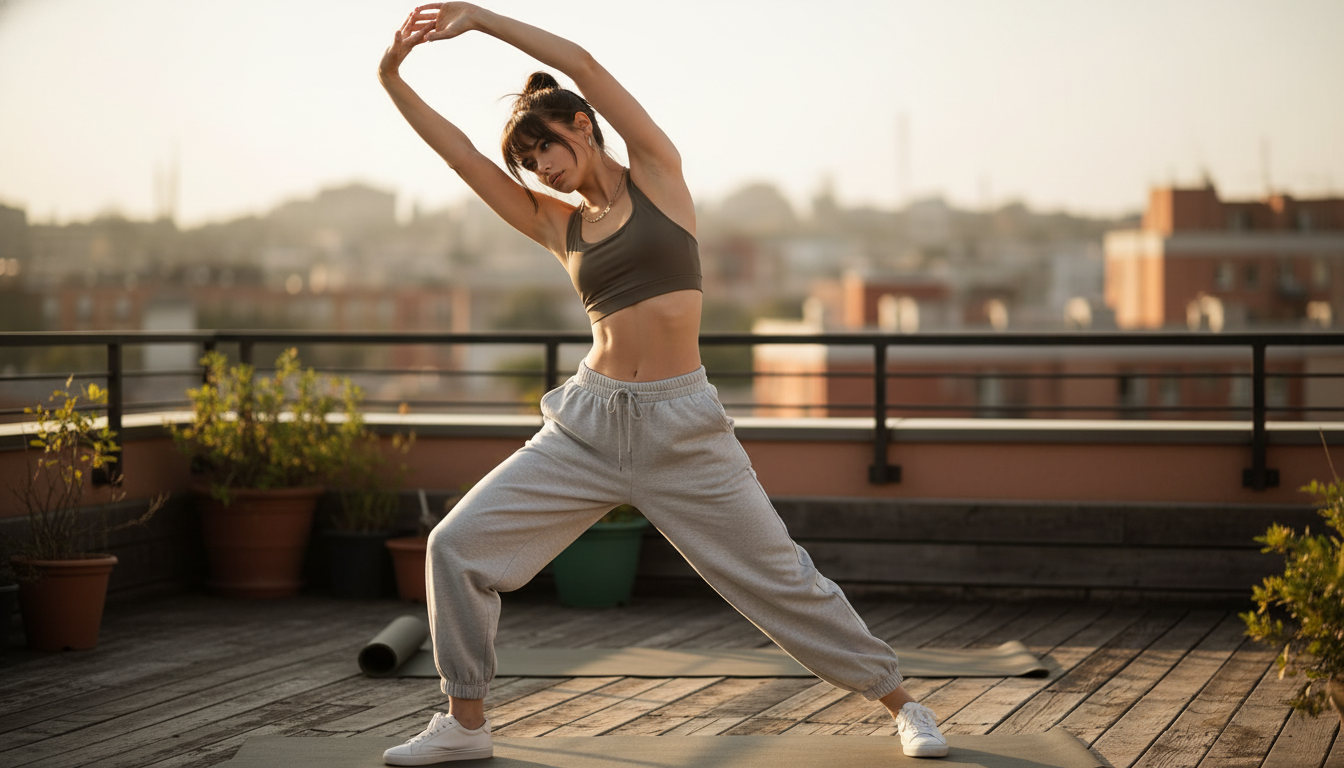
Activewear works best when it matches the way the body moves, the conditions outside, and the intensity of the workout. The right pieces feel almost invisible: they breathe when you heat up, stay put when you pick up the pace, and protect you from chafing when sessions run long. Below is a practical guide to the fabrics, fits, and features that matter most—plus an easy way to build a small rotation you can rely on for training days, commuting, and recovery.
Before picking colors or trends, define what the clothing needs to do. “Best” depends on impact, weather, and how long you’ll be moving.
| Activity | Best tops | Best bottoms | Key features to prioritize |
|---|---|---|---|
| Running | Lightweight tech tee or long sleeve | Compression shorts/leggings | Sweat-wicking, flat seams, reflective details, secure pocket |
| Yoga/Pilates | Soft stretch tank/tee | High-rise leggings | 4-way stretch, non-restrictive waistband, minimal seams |
| Strength training | Breathable fitted tee | Leggings or training shorts | Squat-proof fabric, reinforced seams, grip waistband |
| Hiking | Layerable base + midlayer | Durable pants/shorts | Abrasion resistance, sun protection, quick-dry, roomy pockets |
| Cycling | Form-fitting jersey | Padded shorts/bibs | Compression, moisture control, anti-chafe panels |
Fabric dictates how fast you dry, how much you overheat, and how the garment feels after mile three (or set five).
For more on fabric comfort and performance basics, Cleveland Clinic’s overview of workout clothing is a helpful reference: https://health.clevelandclinic.org/.
Even premium fabric can feel wrong if the construction fights your movement. Fit is also where most chafing problems start.
The most “expensive-feeling” outfit can still fail if support pieces don’t match the activity.
If you train outdoors in variable weather, REI’s layering basics explain a simple system that pairs well with activewear: https://www.rei.com/learn/expert-advice/layering-basics.html.
| Training mix | Core pieces | Nice-to-have add-ons |
|---|---|---|
| Gym + errands | 2 tees, 1 tank, 1 leggings, 1 shorts, 1 midlayer | Structured joggers, crossbody pocket belt |
| Running-focused | 2 technical tops, 1 tights, 1 shorts, 1 wind layer | Reflective vest, cap, arm warmers |
| Outdoor multi-sport | Merino base, breathable midlayer, durable bottoms, shell | Sun hoodie, gaiters, packable gloves |
Hydration and clothing work together during longer sessions; for general guidance, ACSM is a trusted starting point: https://www.acsm.org/.
If comparing fabrics, fits, and feature checklists feels like a lot, a simple reference can speed up decisions—especially when building a first kit or replacing worn essentials. See Best Clothes for Active Lifestyles: Your Ultimate Guide to Choosing the Perfect Activewear for a streamlined, easy-to-scan resource.
For outdoor-minded shoppers planning hikes and active trips, Top 10 Must-See U.S. National Parks + Fast Facts | Digital Travel Guide eBook for Nature Lovers, Hikers & Adventure Planners pairs well with a capsule approach by helping you plan conditions, terrain, and packing priorities.
Start with your primary activity and the conditions you train in, then choose fabrics based on sweat and temperature needs. Next, focus on fit for mobility and chafe prevention, and finish with features like pockets and reflectivity.
Test in bright light with a deep squat or stretch and look for a dense knit and adequate thickness. Make sure sizing is correct—too small can over-stretch the fabric and cause sheerness.
Cotton is comfortable but holds moisture, so it’s best for low-sweat sessions or casual wear. For high-sweat training, synthetic blends or merino typically feel drier and more comfortable.










Leave a comment