
AI styling tools can speed up outfit planning, reduce decision fatigue, and help build outfits that fit real life—workdays, weekends, weather changes, and special events. The most useful results come from pairing AI suggestions with a clear wardrobe inventory, a few go-to formulas, and seasonal adjustments for fabric, color, and layering.
When you give an AI stylist a few real constraints, it’s remarkably fast at generating outfit combinations you might not reach on your own. That speed is especially helpful on busy mornings or when you’re trying to re-wear favorites without looking repetitive.
Where automated suggestions can fall short is the “feel” of clothing and the reality of your day. AI may assume a fabric behaves a certain way, guess wrong about local weather, or recommend trend-heavy additions that don’t match your personal style. It can also suggest items you simply don’t own—which is fine for inspiration, but not for getting dressed in 10 minutes.
Think of AI as a styling assistant: it performs best when it has good information and clear guardrails. A simple wardrobe inventory plus a few personal rules can dramatically improve the quality of suggestions.
| Input to record | Example | Why it helps |
|---|---|---|
| Color palette | Navy, cream, olive, black accents | Keeps suggestions cohesive and wearable |
| Silhouette preferences | Straight-leg pants, cropped jackets, relaxed tees | Avoids outfits that feel “not you” |
| Fabric and comfort | No scratchy wool; breathable cotton/linen preferred | Reduces unrealistic recommendations |
| Dress codes | Business casual weekdays; casual weekends | Prevents over/under-dressing |
| Weather range | 35–70°F with wind; frequent rain | Improves layering and shoe choices |
The easiest way to get consistent, realistic results is to run the same routine each morning (or each Sunday night for the week ahead). You’ll spend less time scrolling and more time wearing outfits that make sense for your life.
If you want a simple scoring rubric, keep it to four checks: (1) Can I walk/sit/commute comfortably? (2) Does it match my most formal moment today? (3) Do the proportions feel balanced? (4) Do I like how I’ll look in photos?
As AI becomes more integrated into retail and personalization, it’s also smart to remember it’s not perfect. For a broader view of how technology is shaping fashion, see McKinsey & Company’s The State of Fashion. For responsible AI best practices at a high level, the NIST AI Risk Management Framework is a useful reference point.
Recommended resources:
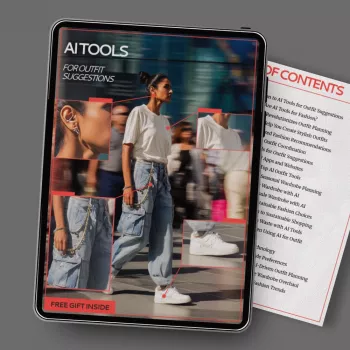
AI Tools for Outfit Suggestions | Smart Fashion Styling eBook | AI Tools for Outfit Suggestions Guide for Everyday & Seasonal Looks
and (for travel packing where outfit planning matters most)
Top 10 Must-See U.S. National Parks + Fast Facts | Digital Travel Guide eBook for Nature Lovers, Hikers & Adventure Planners.
Yes—small wardrobes often get better results because there are fewer mismatches. Provide a clear list of items, define 2–3 preferred silhouettes, and request multiple variations using the same core pieces.
Use a “base + rescue layer” plan so you can add or remove warmth without changing the whole look. Ask for alternatives that keep the same outfit core while swapping outerwear and shoes for temperature and precipitation.
Add comfort and fit constraints (fabric sensitivities, heel height, rise/length preferences), dress code rules, and the amount of walking or commuting. The more specific the constraints, the less likely the suggestions will be impractical.










Leave a comment