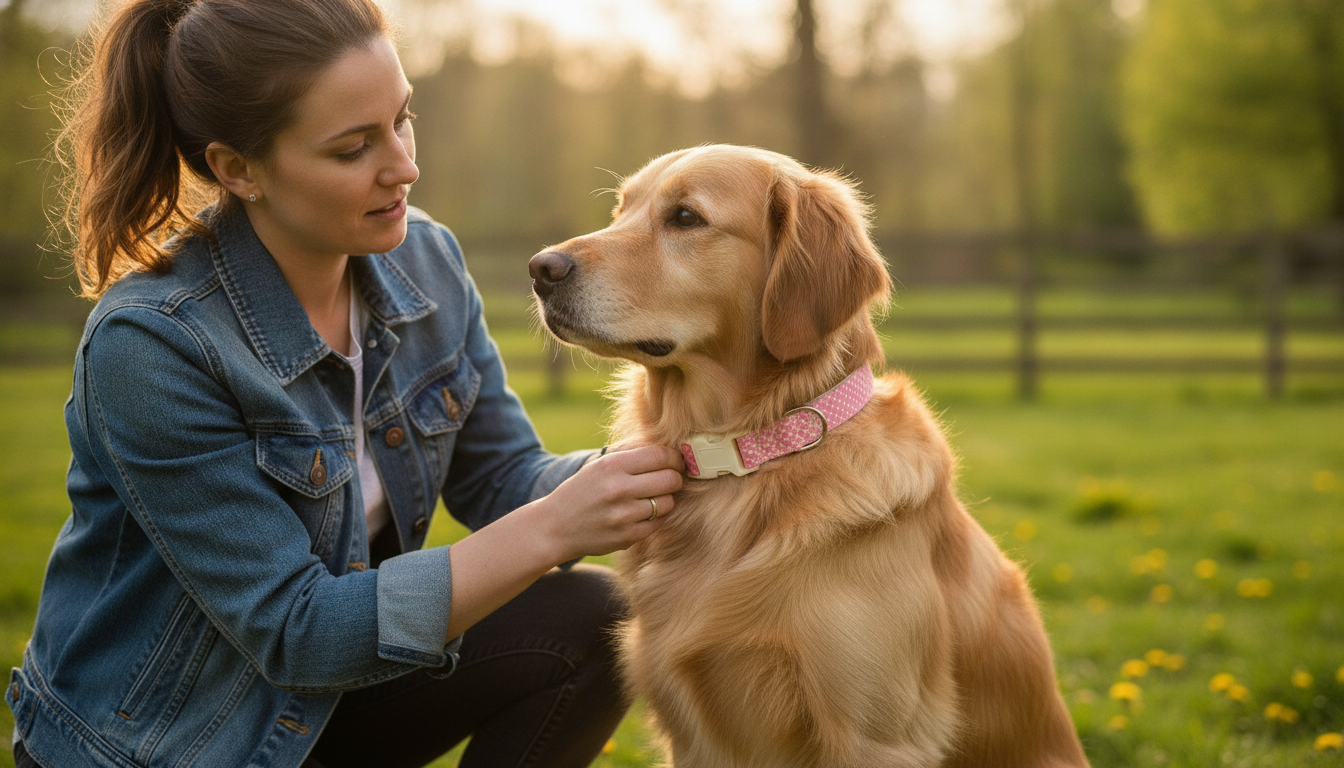
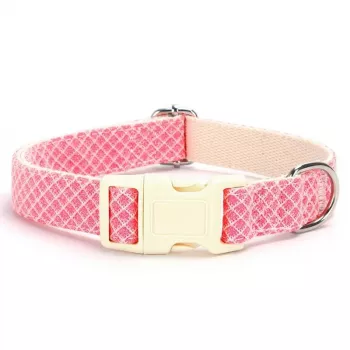
A daily collar should stay comfortable through walks, play, and rest while still being easy to fit correctly. This adjustable, breathable collar is designed for medium and large dogs, combining a lightweight feel with a quick-release style intended to reduce snagging risks during everyday use. The goal is simple: a collar that feels “barely there” for your dog, yet still supports ID tags and routine outings with a secure, dialed-in fit.
If you’re comparing collars, focus on how the materials feel when flexed in your hands (soft, not stiff), how cleanly the buckle closes, and whether the contact surfaces look smooth enough for all-day wear.
Even a well-designed collar can cause problems if it’s too loose (slipping, snagging, lost tags) or too tight (rubbing, pressure, discomfort). Start with a quick neck measurement and then fine-tune once the collar is on your dog.
| Checkpoint | What to look for | Fix if needed |
|---|---|---|
| Tightness | Two fingers fit under the collar | Loosen or tighten one notch/slide |
| Rotation | Collar rotates with gentle effort but doesn’t spin freely | Adjust tighter; consider lighter tags |
| Position | Sits mid-neck, not pressing the throat | Reposition; avoid stacking with tight bandanas |
| Tag noise/weight | Dog isn’t scratching due to clinking or weight | Use a lightweight tag or silencer |
| Chafing check | No redness after walks | Loosen slightly; ensure smooth edge contact |
For extra guidance on measuring collar size, the AKC’s walkthrough is a helpful reference: American Kennel Club (AKC) — How to Measure Your Dog for the Right Collar Size.
Breathable collars are a practical upgrade for dogs that spend hours wearing ID. Airflow-focused materials can help reduce that damp, warm “hot spot” feeling under the collar—especially after rain, lake time, or humid walks.
A quick weekly check (lift the collar, look for redness, and brush the neck area) goes a long way toward preventing irritation—particularly for dogs with dense undercoats.
A quick-release or breakaway-inspired concept is meant to reduce the chance of a dog being trapped if the collar catches on a crate, fence, furniture, or play equipment. It’s a safety-minded feature, but it works best alongside good habits.
For general collar considerations and safe use, the ASPCA has a straightforward overview: ASPCA — Dog Collars. And for broader leash/restraint awareness in public settings, see: AVMA — Dog Bite Prevention (leash and restraint considerations).
If you’re looking for a lightweight everyday collar with airflow in mind and a quick-release safety approach, this option is available now: Adjustable Breathable Anti-Breakaway Dog Collar for Medium & Large Dogs. Price: $9.97 (USD). Availability: In stock.
Use the two-finger guideline: two fingers should slide between collar and neck without forcing. Recheck the fit after grooming, heavy shedding, or any noticeable weight change.
These designs are intended to reduce snagging risk, not necessarily to handle strong pulling. For heavy pullers, use a properly fitted harness for leash attachment and keep the collar primarily for ID.
Replace it when buckles don’t fasten reliably, stitching loosens, or the material shows fraying or cracking. For active dogs, a quick weekly inspection helps you spot wear early.









Leave a comment