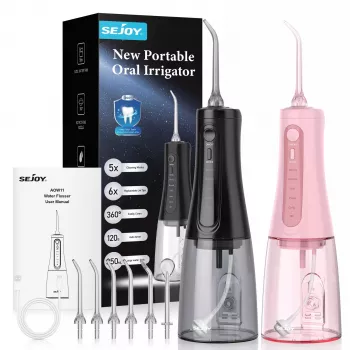
A cordless water flosser helps rinse away debris and plaque around teeth and along the gumline using a focused stream of water. For people with braces, implants, crowns, bridges, or sensitive gums, it can make daily cleaning feel easier and more consistent—especially when it’s rechargeable and portable for bathroom counters, showers, and travel.
A water flosser directs a pressurized stream between teeth and along the gumline to dislodge food particles and disrupt plaque. Many people use it because it feels more approachable than string floss—particularly when tight contacts, orthodontic hardware, or gum tenderness make traditional flossing frustrating.
For a practical baseline on interdental cleaning, the American Dental Association’s flossing guidance is a helpful reference point on why cleaning between teeth matters in the first place.
Not all cordless flossers feel the same in daily use. Comfort and consistency often come down to a few details that affect how easy it is to aim the stream, manage sensitivity, and finish a full-mouth clean without stopping.
| Feature | Why it matters | What to look for |
|---|---|---|
| Adjustable pressure | Helps balance comfort and cleaning power | Low setting for sensitivity; multiple steps for gradual ramp-up |
| Reservoir capacity | Affects whether one fill completes a session | Enough for a full mouth; easy-to-clean opening |
| Nozzle control | Improves reach and accuracy | Rotating or angled tip; secure click-in fit |
| Battery and charging | Supports consistent daily use | Rechargeable battery; clear charging indicator; travel-friendly charging |
| Water resistance | Enables shower use and safer handling | Waterproof or water-resistant body and sealed buttons |
Comfort comes first. When people start too strong, it’s easy to blame the tool rather than the technique. A gentle approach typically feels better and still supports consistent gumline cleaning.
If gums are tender or inflamed, gentle daily cleaning and consistency are key. The Mayo Clinic’s overview of gingivitis explains how gum inflammation can lead to bleeding and sensitivity—often improving with better plaque control and routine care.
There isn’t one “perfect” order that fits everyone, but there are a few routines that make the habit easier to keep.
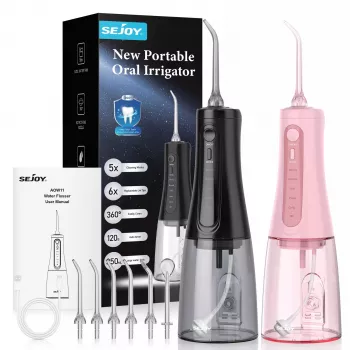
If you want a compact, travel-friendly way to support daily gumline cleaning, the Rechargeable Cordless Water Flosser for Teeth Cleaning & Gum Care is a cordless option designed for everyday use at home or on the go. Look for pressure control that supports gentle starts, plus an easy-fill reservoir and a comfortable grip for better aiming—especially around back molars and along the gumline.
For a simple add-on to a travel or bathroom self-care kit, the Ice Roller for Face & Eyes – Skin Tightening Facial Massage Tool pairs well with routines focused on comfort, especially when you want a quick, cooling reset after morning or evening hygiene.
For many people, a water flosser is best as a complement to brushing and (when possible) other interdental cleaning. Some use it instead of string floss depending on their dental work and comfort, but effectiveness can vary—your dentist can recommend the best approach for your needs.
Mild bleeding can happen at first, especially if gums are inflamed or you’re adjusting technique. Start on a low setting, trace gently along the gumline, and stay consistent; if bleeding persists or worsens, schedule a dental check.
Plain water is the default choice for most people. If you use mouthwash, check your device guidance and consider diluting it; avoid harsh liquids that may irritate tissues or affect seals over time.









Leave a comment