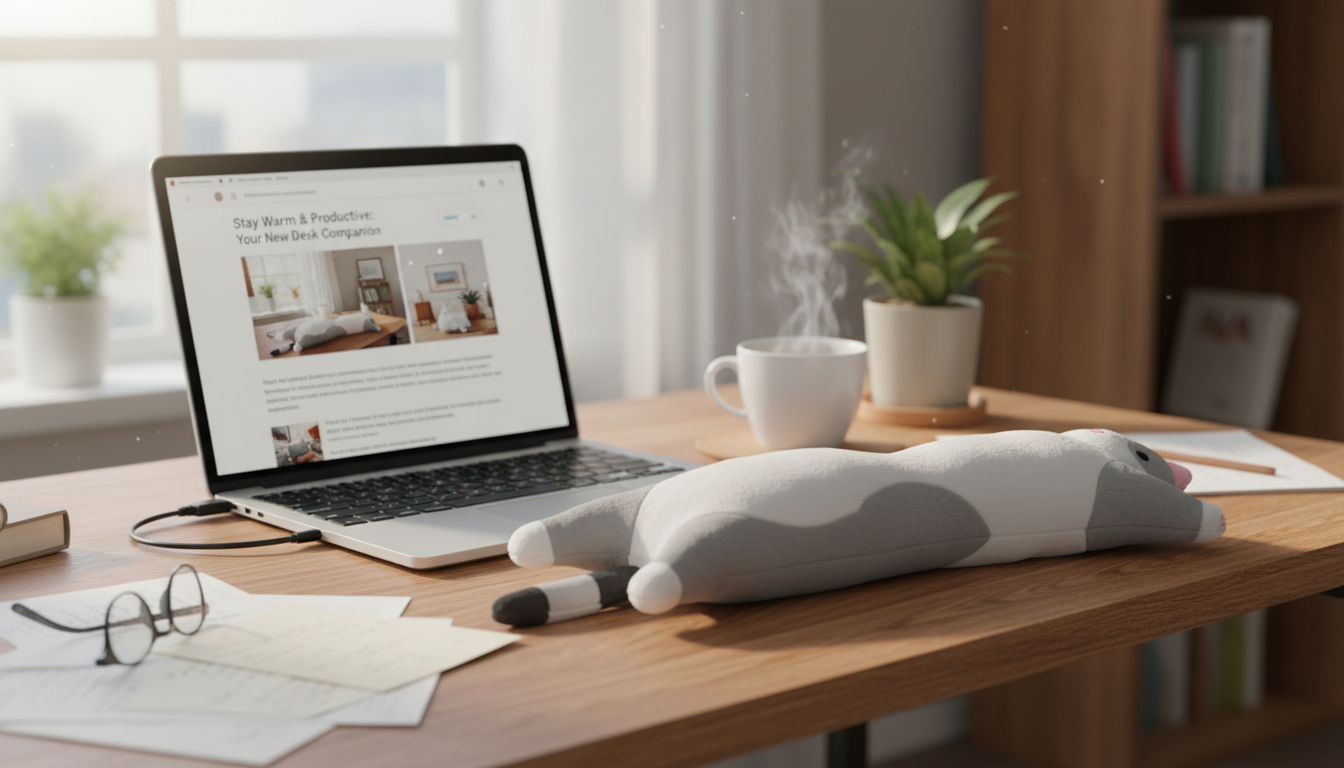
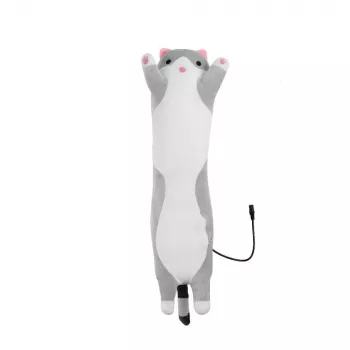
A soft, USB-powered heating pad shaped with a cute cat design can deliver steady warmth for cramps, neck stiffness, and everyday muscle tension—at a desk, on the couch, or while traveling. This guide covers what it’s best for, how to use it comfortably, and what to look for when using heat for pain relief.
If you’re shopping for a compact option that’s easy to plug in anywhere, take a look at the Cute Cat USB Heating Pad for Cramps, Neck & Body Pain Relief for targeted comfort at home, the office, or on the go.
Heat therapy is popular for a simple reason: warmth can feel soothing fast, especially when discomfort is tied to tight muscles or stiffness.
For general heating pad safety reminders (like avoiding burns and checking your skin often), Mayo Clinic’s tips are a solid reference: Heating pads: Safety tips.
A USB heating pad is designed for modern routines—workstations, shared spaces, and travel—where a traditional plug-in pad can feel bulky or inconvenient.
| Area | Common discomfort | How to place it |
|---|---|---|
| Lower abdomen | Menstrual cramps | Center it over the lower belly; add a thin layer of fabric if heat feels intense |
| Neck | Stiffness from screens or stress | Drape against the back or side of the neck while seated |
| Upper back/shoulders | Tension and tight traps | Lean back into it on a chair; avoid direct pressure on the cord |
| Lower back | Aching from sitting/standing | Position at the beltline while reclining |
| Hands/feet | Feeling cold or sore | Rest hands on it or place over socks for gentle warmth |
Because it’s small and USB-powered, this kind of pad fits into real life—especially when discomfort comes and goes throughout the day.
If muscle cramping is frequent, it can also help to learn common triggers like dehydration or overuse; a helpful overview is available via NIH MedlinePlus – Muscle cramps.
A heating pad should feel pleasantly warm—not hot, not prickly, and never painful. A little routine can make heat therapy more comfortable and reduce the chance of skin irritation.
Some days call for warmth; other days feel better with cooling—especially for puffiness, post-screen fatigue, or a quick refresh. If you like alternating hot and cold, consider pairing your routine with the Ice Roller for Face & Eyes – Skin Tightening Facial Massage Tool for an easy cold option stored in the freezer.
Start with 10–20 minutes and check your skin every few minutes for comfort. If it still feels good and your skin looks normal, many people extend up to about 30 minutes—avoid falling asleep with it powered on.
Yes, as long as the power bank provides standard USB output and is in good condition. Use a reputable power bank for steadier performance and route the cable so it won’t snag or pull while you move.
For many people it can be, but a thin fabric layer is a safer default—especially on sensitive skin. Stop using it if you notice redness, irritation, or any burning sensation, and re-check placement and session length.







Leave a comment