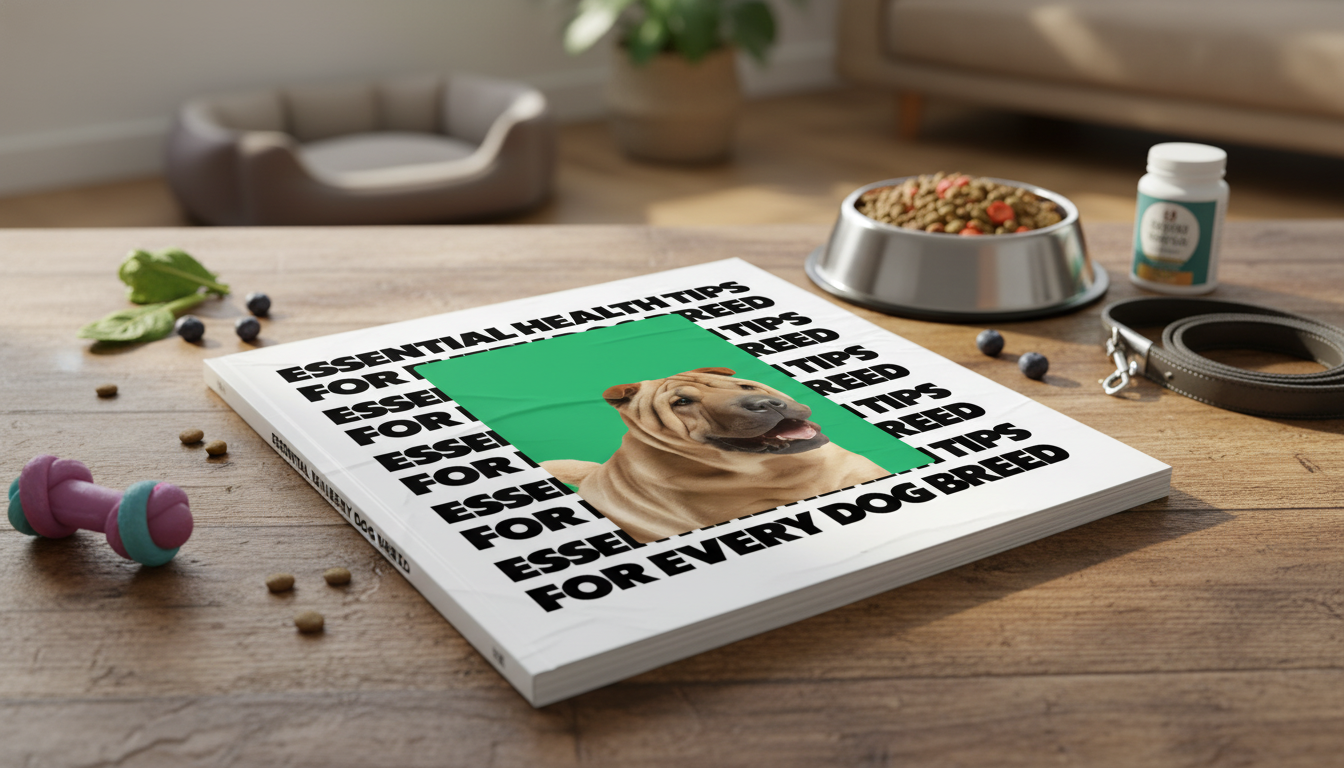
Different breeds share predictable strengths, sensitivities, and risk areas—from joint durability and airway shape to skin barrier health and dental crowding. This guide organizes practical wellness habits by breed type so daily routines (food, movement, grooming, and vet care) better match a dog’s body and lifestyle, with a quick-reference digital guide option for easy check-ins.
Breed type is a helpful “shortcut” for anticipating what your dog’s body handles easily—and what may need extra support. While every dog is an individual, these patterns can make daily choices more practical and safer.
Use this as a starting point, then adjust for life stage (puppy/adult/senior), weather, and any vet-diagnosed conditions. Prevention—healthy weight, dental habits, parasite protection, and early symptom tracking—usually pays the biggest long-term dividends.
| Breed type (examples) | Watch-outs | Best daily focus |
|---|---|---|
| Small & toy (Chihuahua, Yorkie, Pomeranian) | Dental crowding, patellar luxation, hypoglycemia in tiny puppies | Dental routine, safe low-impact play, consistent meal schedule |
| Large & giant (Labrador, German Shepherd, Great Dane) | Joint stress, bloat risk, faster arthritis impact | Lean body condition, joint-friendly exercise, smart feeding schedule |
| Short-nosed (French Bulldog, Pug, Boxer) | Heat intolerance, breathing strain, eye irritation | Cool-weather walks, harness use, calm conditioning |
| Long-backed (Dachshund, Corgi, Basset Hound) | Intervertebral disc issues, back strain | Weight control, ramp training, controlled core-strength play |
| Deep-chested athletes (Doberman, Weimaraner) | Bloat risk, overuse injuries | Split meals, rest days, gradual conditioning |
| Wrinkled/skin-fold breeds (Bulldog, Shar Pei) | Skin infections, ear issues | Fold hygiene, ear checks, allergy-aware diet |
| High-drive herders/workers (Border Collie, Aussie) | Stress behaviors, overtraining injuries | Mental work, structured exercise, recovery time |
Nutrition is where breed type and body size show up quickly—especially in weight management, dental health, and GI comfort. For general nutrition standards and label-reading best practices, the WSAVA Global Nutrition Guidelines are a helpful reference point to discuss with your veterinarian.
Most dogs do best with frequent, moderate movement rather than occasional “weekend warrior” workouts. Adjust the intensity to match structure, airway comfort, and recovery ability.
Preventive routines reduce the odds that a common breed vulnerability turns into an emergency. For general care guidance and seasonal reminders, the American Veterinary Medical Association (AVMA) pet care resources are a practical starting point.
Mixed-breed dogs can still inherit health risks from their parent breeds, especially traits tied to size, body structure, and coat/skin type. Focus on your dog’s build and any known family history, and ask your veterinarian about screening that fits those traits.
Look for a visible waist from above and a tucked abdomen from the side, with ribs that are easy to feel under a light padding. Regular weigh-ins help confirm trends, and your veterinarian can verify body condition scoring at checkups.
Warning signs include lagging behind, excessive panting, coughing, overheating, limping, prolonged soreness, or reluctance to move the next day. Reduce intensity and duration, add rest days, and consult a veterinarian if signs persist or worsen.













Leave a comment