HomeBlogBlogFall to Winter Wardrobe Transition: Smart Layering + AI

Fall to Winter Wardrobe Transition: Smart Layering + AI

Fall to Winter Wardrobe Transition: Smart Layering + AI

From Cozy Layers to Winter Ready: Transitioning a Fall Wardrobe With Smart Layering, Seasonal Styling, and AI Outfit Tools

Early winter weather can swing from crisp mornings to overheated indoor spaces, making outfits feel either too light or too bulky. A smoother seasonal shift comes down to strategic layering, weather-aware fabrics, and a small set of cold-weather add-ons that work with what’s already in the closet—plus optional AI outfit tools to speed up planning.

Start With a Fast Closet Reset

Before buying anything, do a quick “front-of-closet” refresh so your most layer-friendly pieces are easy to grab.

  • Pull forward fall staples that can live under or over winter layers: tees, turtlenecks, button-downs, sweaters, straight-leg jeans, wool trousers, and midi skirts.
  • Separate “still useful” outerwear (denim jacket, shacket, trench) from “true winter” pieces (insulated coat, wool overcoat, parka).
  • Do a 10-minute repair check: missing buttons, loose hems, pilling on knits, worn boot soles. Small fixes keep go-to items in rotation.
  • Choose 2–3 core color families (like black/gray/cream or navy/camel/white) so layering looks intentional instead of chaotic.

Build Warmth With a Three-Layer Formula

Instead of piling on random sweaters, use a simple three-layer system that stays warm outdoors and still works indoors with one layer removed.

  • Base layer: thin, close-to-skin pieces that hold heat without bulk (merino tee, thermal top, ribbed turtleneck).
  • Mid layer: your main insulation (chunky knit, fleece, cardigan, lightweight down vest).
  • Shell layer: weather protection (wool coat for dry cold; insulated parka or rain shell for wind/wet).
  • Keep at least one layer ventable (half-zip, button-down, open-front cardigan) to avoid overheating when you step inside.

Layering map by temperature and conditions

Conditions Base layer Mid layer Outer layer Finishing touches
45–55°F (7–13°C), dry Long-sleeve tee or thin turtleneck Cardigan or light sweater Trench or shacket Loafers/ankle boots, light scarf
35–45°F (2–7°C), breezy Thermal or merino top Sweater or fleece Wool coat Wool socks, scarf, leather gloves
25–35°F (-4–2°C), cold Thermal + optional camisole Chunky knit or down vest Insulated coat Beanie, lined gloves, thicker socks
Below 25°F (-4°C), wind/wet Thermal/merino set Fleece + down layer Parka + water-resistant shell as needed Neck gaiter, waterproof boots, hand warmers

Swap Fabrics and Textures for Cold-Weather Comfort

Winter comfort is less about the number of items and more about choosing materials that insulate, breathe, and layer smoothly.

  • Prioritize insulating materials: wool, merino, cashmere blends, fleece, and down. Keep thin cotton mainly for indoor wear or as a light base under warmer layers.
  • Add texture contrast to avoid a “puffy everywhere” silhouette: pair a sleek ribbed base with a structured coat, or a chunky sweater with straight-leg trousers.
  • Use tights and leggings strategically: opaque tights under skirts; fleece-lined leggings under wide-leg pants on extra-cold days.
  • Aim for breathable warmth to reduce sweating when bouncing between outdoor cold and indoor heat.

For days when wind makes the temperature feel dramatically colder, check a wind chill chart and dress for the “feels like” number rather than the forecast high. NOAA’s wind chill guidance is a helpful reference: https://www.weather.gov/safety/cold-wind-chill-chart.

Outerwear and Footwear Upgrades That Make Fall Pieces Winter-Proof

If you add only a few things, let them be the items that protect you from wind, wet sidewalks, and long waits outside.

  • Outerwear rotation: keep one polished coat (like a wool overcoat) and one weather coat (insulated parka or puffer) so you’re covered for everything from commutes to snow flurries.
  • Boot plan: a dressier ankle boot for dry days and a waterproof boot for slush; lug soles improve traction when sidewalks get slick.
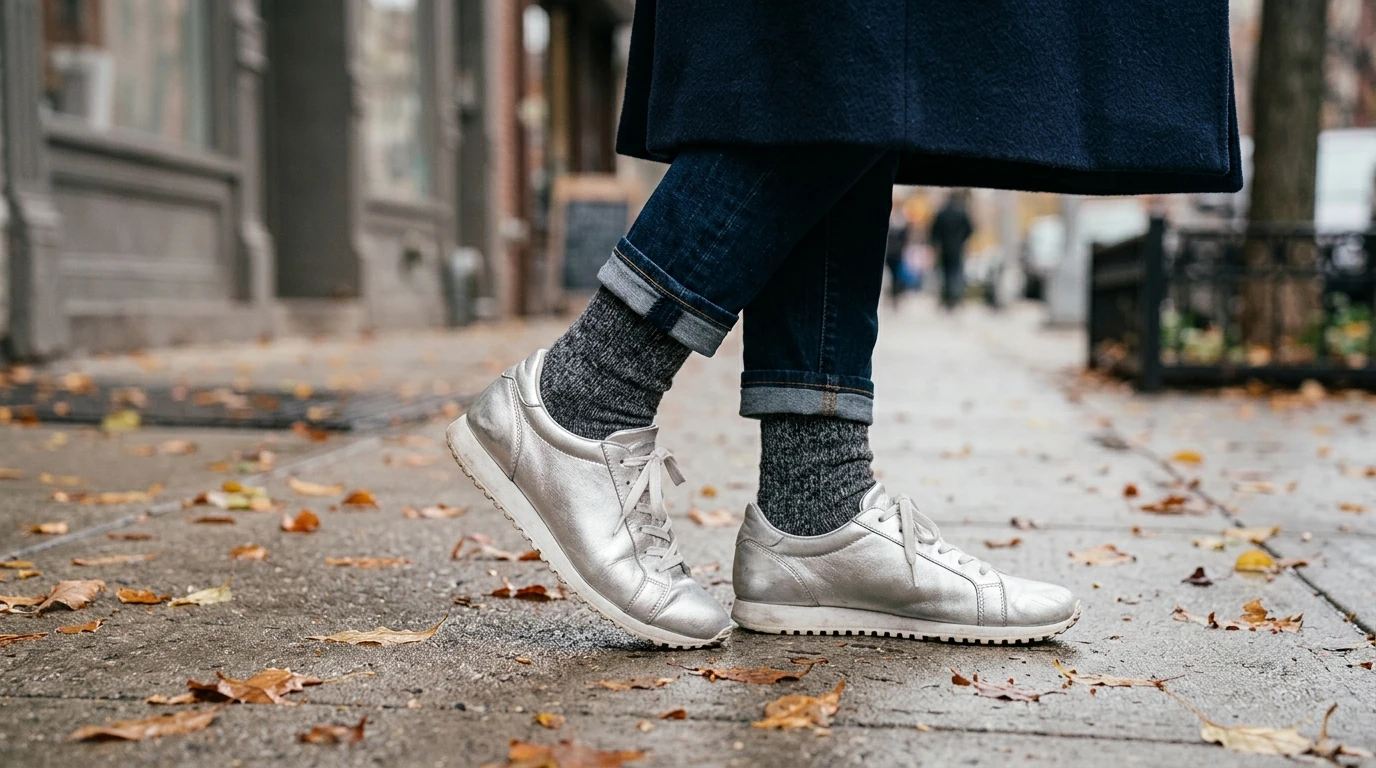
  • Socks matter: switch to wool or wool-blend socks; use sock thickness to fine-tune warmth and fit inside boots.
  • Accessories do the heavy lifting: scarf, beanie, gloves, and earmuffs can add noticeable warmth without changing the whole outfit.

For cold safety basics—especially if you’re outside for extended stretches—CDC guidance on cold stress is worth a quick skim: https://www.cdc.gov/niosh/topics/coldstress/.

Seasonal Styling Shortcuts for Everyday Outfits

If you want a quick refresher on the classic outdoor approach to layers, REI’s guide lays out the logic clearly: https://www.rei.com/learn/expert-advice/layering-basics.html.

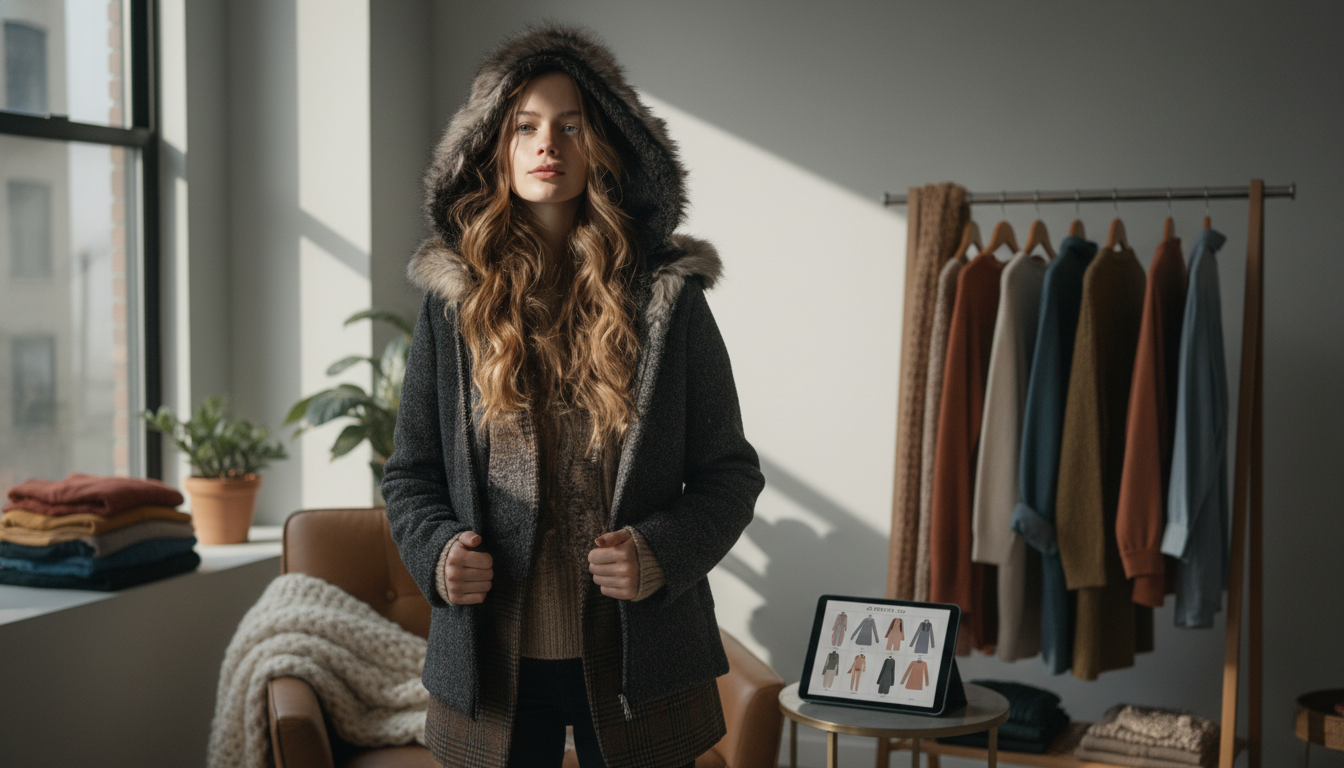
Use AI Outfit Tools to Plan Smarter, Not Longer

A Simple 7-Day Transition Plan

Shop Digital Guides & Seasonal Finds

FAQ

How many layers are needed for winter without feeling bulky?

Use a base/mid/shell system: a thin thermal or merino base, one insulating mid layer (like fleece or a sweater), and a weather-appropriate outer layer. Choosing high-warmth, low-bulk fabrics and keeping one layer ventable helps you stay comfortable when you move indoors.

What’s the best way to keep fall outfits working in freezing temperatures?

Add a thermal base under your usual fall pieces, switch to wool socks and winter-ready boots, and upgrade the coat to something insulated or wind-blocking. In wind, rain, or wet snow, a protective shell (or a parka with weather resistance) matters as much as insulation.

Can AI outfit tools actually help with winter dressing?

Yes—when you upload a quick closet inventory and provide constraints like weather, dress code, and footwear, AI tools can generate practical outfit combinations faster than starting from scratch. Saving a handful of proven outfit formulas also helps cut down on last-minute decision fatigue and impulse buys.

Was this article helpful?

Yes No
Leave a comment
Top

Shopping cart

×