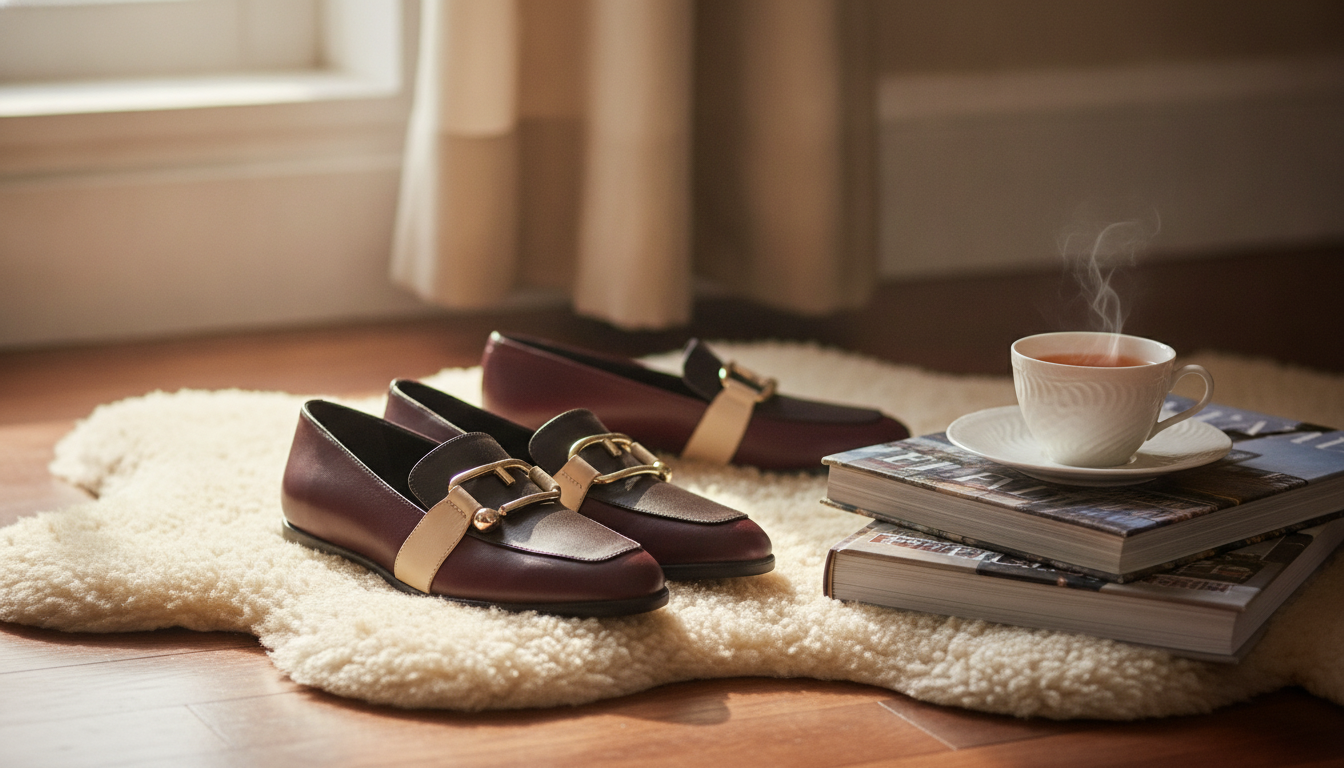
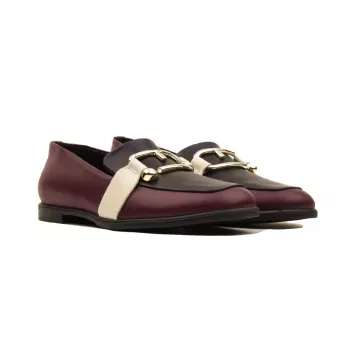
A pointed-toe leather shoe adds instant refinement—equally at home with tailored workwear, denim, or event-ready dresses. Furla’s pointed-toe leather silhouette leans polished and structured, making it a strong option when sneakers feel too casual but towering heels feel like overkill. Below is a practical guide to the details that matter most, how to dial in fit and heel comfort, and how to keep leather looking smooth and crisp over time.
Pointed-toe shoes have a way of making even simple outfits look intentional. The shape creates a clean line from hem to toe, which can subtly change how an outfit reads—more streamlined, more “finished,” and often more modern.
When evaluating leather shoes, it can also help to look for transparency and standards around leather sourcing and processing. The Leather Working Group shares guidance and industry benchmarks that many shoppers use as a reference point.
Pointed-toe shoes can look similar online, but small construction differences are what determine day-to-day comfort. A quick pre-check can prevent the most common issues: toe pressure, heel slipping, and premature creasing.
| Feature | Why it matters | What to look for |
|---|---|---|
| Toe box room | Reduces pressure on toes and nails | Enough space to wiggle toes without sliding forward |
| Heel fit | Prevents blisters and slipping | Secure heel cup; minimal lift when walking |
| Leather quality | Affects longevity and creasing | Even grain, consistent color, clean stitching |
| Sole traction | Improves confidence on smooth floors | Rubber inserts or lightly textured sole |
| Support | Helps all-day comfort | Light cushioning, stable heel base, reasonable flex at forefoot |
For general footwear comfort considerations—especially if you’re on your feet for hours—resources like the American Podiatric Medical Association can be a useful starting point for foot-health basics.
Because pointed toes taper, comfort depends less on the “look” of the toe and more on where your toes actually land inside the shoe. A great-looking pair won’t get worn if it pinches at the tip or lets your foot slide forward with every step.
A quick at-home check: stand up, shift weight forward and back, and take a few steps. If your heel lifts noticeably or your toes press hard into the taper, adjust sizing or add a discreet fit aid before committing to long wear.
Pointed-toe leather shoes shine when hems and proportions let the toe shape do some of the styling work. Small tweaks—like a cropped pant length or a clean ankle line—make the silhouette look intentional rather than fussy.
| Product | Price | Availability |
|---|---|---|
| Furla Women’s Leather Pointed-Toe Shoes | 156.51 USD | In stock |
They often feel tighter because the toe tapers, even when the length is technically correct. Focus on where your toes sit and whether the ball of your foot aligns with the widest part of the shoe; if toes feel compressed or you slide forward, try a half size up, a different width, or a thin insole/heel grip.
Break them in gradually, add a thin cushioned insole if space allows, and use heel grips to reduce slipping. Choosing a stable heel height and rotating wear days also helps keep feet fresher over long hours.
Use shoe trees or stuff them with acid-free tissue to support the pointed shape, and store away from heat and direct sunlight. Avoid stacking heavy items on top, and condition lightly from time to time to keep the leather supple.








Leave a comment