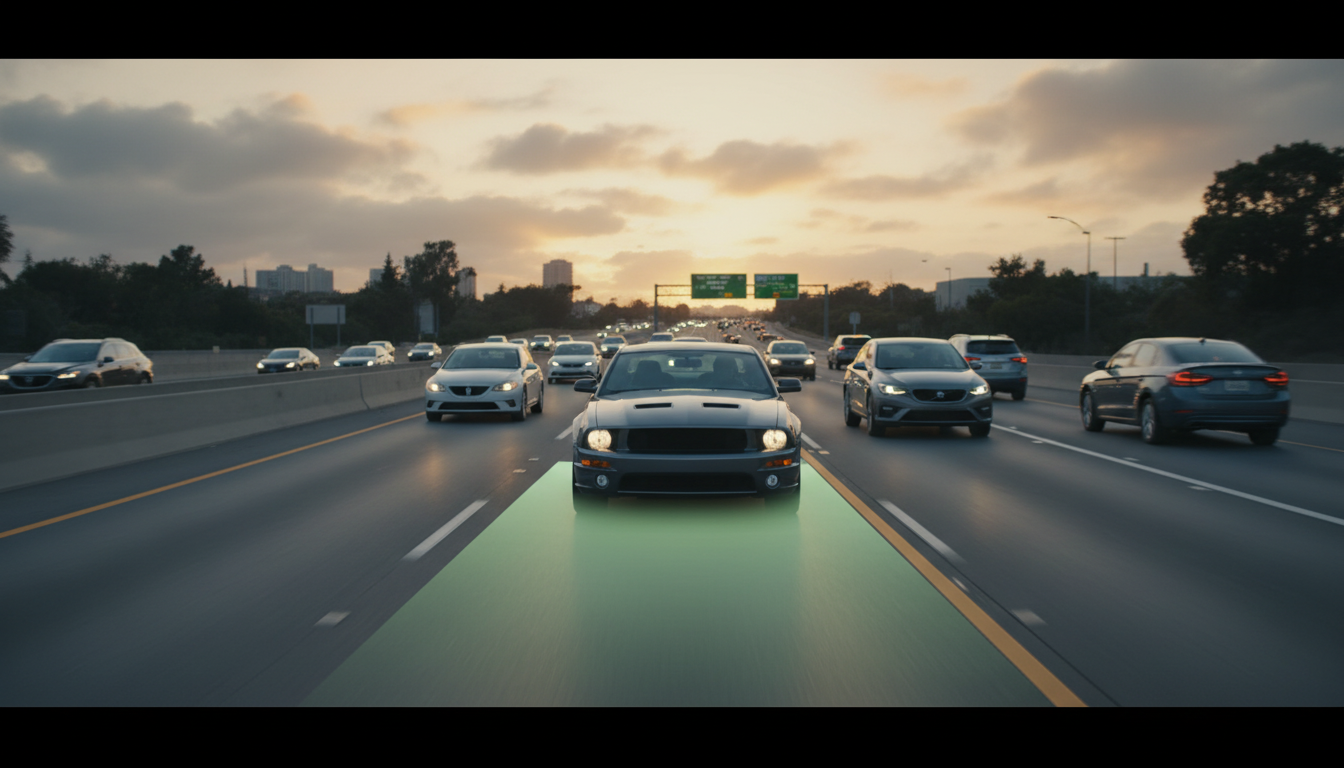
Lane assist can feel like a helpful co-pilot—or an unexpected tug on the steering wheel. Once you know what it’s looking at, when it steps in, and what conditions can trip it up, the whole experience becomes calmer and more predictable. Below is a practical guide to what lane assist is, how the most common versions differ, and how to use it comfortably on real roads.
Lane assist is a driver-assistance feature designed to help keep a vehicle within visible lane markings. It usually lives inside a broader Advanced Driver Assistance Systems (ADAS) suite that may also include adaptive cruise control, automatic emergency braking, and blind spot monitoring.
What it isn’t: a substitute for active driving. Lane assist supports steering awareness, but it does not replace safe speed choices, scanning for hazards, or keeping hands on the wheel. Also, different automakers use different names and “personalities”—two cars can both say “lane assist” and still behave very differently during curves, merges, or exits.
For a quick, driver-friendly reference you can keep on your phone, the Stay Confident Between the Lines digital download breaks down common terms and what the system is likely to do in everyday situations.
Most “lane assist” systems fall into three buckets, and knowing which one your car has explains a lot about how it feels:
Some systems use subtle steering torque; others intervene more abruptly—especially in narrow lanes, construction areas, or where old and new paint markings overlap.
| Feature | What it does | Typical driver feedback | Best use |
|---|---|---|---|
| Lane Departure Warning (LDW) | Warns when drifting near/crossing a lane line | Sound, steering wheel vibration, dash icon | Fatigue prevention on highways |
| Lane Keeping Assist (LKA) | Applies steering/brake correction to stay in lane | Steering “nudge” back toward lane | Reducing unintentional drift on straight roads |
| Lane Centering | Helps keep vehicle centered continuously | More continuous steering feel | Long highway trips with clear lane markings |
| Emergency Lane Keeping | Stronger intervention to prevent lane departure | More noticeable steering force | Critical moments when crossing a line could be hazardous |
Most lane assist systems rely on a forward-facing camera (often mounted near the rearview mirror) to “see” lane lines. Some vehicles also incorporate radar, steering-angle sensors, and sometimes map data to add context.
Software estimates where your vehicle sits relative to lane boundaries and predicts drift using factors like speed, steering angle, and road curvature. When the system thinks you’re getting too close to a line—especially without a turn signal—it may warn you, gently correct you, or both.
Because it’s vision-based, performance depends heavily on lane visibility and consistency. Bright glare, heavy rain, worn paint, snow cover, standing water, and patchy markings can all reduce accuracy. For a deeper overview of how automakers describe these driver-assistance technologies, see NHTSA’s Driver Assistance Technologies.
On longer road trips—like national park loops or multi-state drives—driver-assistance features can feel less stressful when everyone in the family understands what the car will and won’t do. If you’re planning a big scenic route, pairing confidence behind the wheel with a trip plan helps, too: Top 10 Must-See U.S. National Parks + Fast Facts is a simple, quick-read travel guide for building an itinerary without overthinking it.
For broader context on lane departure warning and prevention, the IIHS ADAS overview is a helpful starting point.
If lane assist has ever felt unpredictable, a simple explainer can make the feature feel more cooperative and less intrusive. The Stay Confident Between the Lines digital download is a quick, practical guide that clarifies key terms and typical system behaviors so you can set expectations and drive more comfortably. It’s especially useful for new-car owners, drivers switching brands, families sharing a vehicle, and anyone rebuilding confidence after a stressful driving experience.
It depends on the feature: Lane Departure Warning only alerts, Lane Keeping Assist adds a brief nudge, and lane centering can provide more continuous steering support. Even with lane centering, it’s still driver assistance—hands-on driving and full attention are required.
Sudden tugs often happen when the camera is uncertain about lane markings (faded paint, shadows, old construction lines) or when the road geometry changes near curves and exits. Lowering sensitivity, switching modes (centering vs. keeping), and practicing on a clear, low-traffic highway usually makes the behavior feel more predictable.
Consider turning it off in construction zones, heavy snow or rain, roads with poor or confusing markings, or narrow local streets where the system can misread edges. Always follow your owner’s manual guidance and prioritize staying fully in control.
Lane assist can feel like a helpful co-pilot—or an unexpected tug on the steering wheel. Once you know what it’s looking at, when it steps in, and what conditions can trip it up, the whole experience becomes calmer and more predictable. Below is a practical guide to what lane assist is, how the most common versions differ, and how to use it comfortably on real roads.
Lane assist is a driver-assistance feature designed to help keep a vehicle within visible lane markings. It usually lives inside a broader Advanced Driver Assistance Systems (ADAS) suite that may also include adaptive cruise control, automatic emergency braking, and blind spot monitoring.
What it isn’t: a substitute for active driving. Lane assist supports steering awareness, but it does not replace safe speed choices, scanning for hazards, or keeping hands on the wheel. Also, different automakers use different names and “personalities”—two cars can both say “lane assist” and still behave very differently during curves, merges, or exits.
For a quick, driver-friendly reference you can keep on your phone, the Stay Confident Between the Lines digital download breaks down common terms and what the system is likely to do in everyday situations.
Most “lane assist” systems fall into three buckets, and knowing which one your car has explains a lot about how it feels:
Some systems use subtle steering torque; others intervene more abruptly—especially in narrow lanes, construction areas, or where old and new paint markings overlap.
| Feature | What it does | Typical driver feedback | Best use |
|---|---|---|---|
| Lane Departure Warning (LDW) | Warns when drifting near/crossing a lane line | Sound, steering wheel vibration, dash icon | Fatigue prevention on highways |
| Lane Keeping Assist (LKA) | Applies steering/brake correction to stay in lane | Steering “nudge” back toward lane | Reducing unintentional drift on straight roads |
| Lane Centering | Helps keep vehicle centered continuously | More continuous steering feel | Long highway trips with clear lane markings |
| Emergency Lane Keeping | Stronger intervention to prevent lane departure | More noticeable steering force | Critical moments when crossing a line could be hazardous |
Most lane assist systems rely on a forward-facing camera (often mounted near the rearview mirror) to “see” lane lines. Some vehicles also incorporate radar, steering-angle sensors, and sometimes map data to add context.
Software estimates where your vehicle sits relative to lane boundaries and predicts drift using factors like speed, steering angle, and road curvature. When the system thinks you’re getting too close to a line—especially without a turn signal—it may warn you, gently correct you, or both.
Because it’s vision-based, performance depends heavily on lane visibility and consistency. Bright glare, heavy rain, worn paint, snow cover, standing water, and patchy markings can all reduce accuracy. For a deeper overview of how automakers describe these driver-assistance technologies, see NHTSA’s Driver Assistance Technologies.
On longer road trips—like national park loops or multi-state drives—driver-assistance features can feel less stressful when everyone in the family understands what the car will and won’t do. If you’re planning a big scenic route, pairing confidence behind the wheel with a trip plan helps, too: Top 10 Must-See U.S. National Parks + Fast Facts is a simple, quick-read travel guide for building an itinerary without overthinking it.
For broader context on lane departure warning and prevention, the IIHS ADAS overview is a helpful starting point.
If lane assist has ever felt unpredictable, a simple explainer can make the feature feel more cooperative and less intrusive. The Stay Confident Between the Lines digital download is a quick, practical guide that clarifies key terms and typical system behaviors so you can set expectations and drive more comfortably. It’s especially useful for new-car owners, drivers switching brands, families sharing a vehicle, and anyone rebuilding confidence after a stressful driving experience.
It depends on the feature: Lane Departure Warning only alerts, Lane Keeping Assist adds a brief nudge, and lane centering can provide more continuous steering support. Even with lane centering, it’s still driver assistance—hands-on driving and full attention are required.
Sudden tugs often happen when the camera is uncertain about lane markings (faded paint, shadows, old construction lines) or when the road geometry changes near curves and exits. Lowering sensitivity, switching modes (centering vs. keeping), and practicing on a clear, low-traffic highway usually makes the behavior feel more predictable.
Consider turning it off in construction zones, heavy snow or rain, roads with poor or confusing markings, or narrow local streets where the system can misread edges. Always follow your owner’s manual guidance and prioritize staying fully in control.













Leave a comment