Waterproof Long Household Dishwashing Gloves for Everyday Cleaning Protection
Long-cuff dishwashing gloves make everyday chores feel easier by keeping hands dry, shielding skin from detergents and cleaners, and adding confidence when handling slippery dishes. Whether you’re rinsing greasy pans, scrubbing a tub, or wiping down counters, the right pair of rubber & PVC household gloves can help you stay comfortable and protected—without sacrificing dexterity. Below is a practical guide to choosing, wearing, and caring for long waterproof gloves so they stay durable and reliable over time.
Why long-cuff gloves make cleaning easier
- Less water sneaking in: Longer cuffs help block water from running down the wrist and into the glove during dishwashing or sink scrubbing.
- More splash coverage: Extra length adds protection for forearms during splash-prone tasks like rinsing oily cookware, cleaning tubs, or mopping with a bucket.
- Reduced skin contact: Gloves help minimize direct contact with dish soap, degreasers, and household cleaners that can dry out or irritate skin.
- Better grip confidence: A secure, textured surface makes it easier to handle wet glassware, cutlery, and smooth cookware without feeling like items will slip.
Rubber + PVC protection: what that means in daily use
Many household gloves combine materials to balance comfort with waterproof performance. In day-to-day cleaning, that blend can be especially helpful for tasks that involve water, soap film, and light chemical exposure.
- Rubber flexibility: Rubber tends to feel more flexible for repetitive movements like scrubbing, rinsing, and wiping.
- PVC support: PVC is commonly used to enhance waterproofing and improve resistance to many household cleaning solutions.
- Great for routine chores: Ideal for dishwashing, wiping counters, bathroom cleaning, and light outdoor cleanup.
- Know the limits: Household gloves aren’t a substitute for specialized chemical-resistant gloves designed for industrial solvents or unknown chemicals. Always follow the cleaner’s label guidance and safety precautions. For general guidance on cleaning and disinfecting practices, see the CDC’s cleaning and disinfecting recommendations.
Comfort and fit: getting a seal without feeling stiff
Fit is what turns “waterproof gloves” into “waterproof gloves that actually stay comfortable.” The goal is a snug hand for control, plus a cuff that sits securely on your forearm without pinching.
- Snug hand, mobile fingers: The glove should follow the shape of your hand so you can grip a sponge and pick up utensils, while still allowing easy finger movement.
- Cuffs that stay put: Long cuffs should rest comfortably on the forearm. Too tight can feel restrictive; too loose may let water in when your arms dip into a sink or bucket.
- Manage sweat during long sessions: For extended cleaning, take short breaks and allow gloves to air out. After finishing, fully dry the inside to help prevent odor.
- Remove jewelry first: Rings and sharp nail edges can snag the lining and increase the risk of punctures or tearing. Taking jewelry off before cleaning helps gloves last longer.
Where long waterproof gloves help most around the home
Quick feature checklist for choosing household cleaning gloves
Household glove feature guide
| Feature |
Why it matters |
Best for |
| Long cuff |
Keeps water and suds from entering at the wrist; protects forearm from splashes |
Deep sinks, bathroom cleaning, bucket-and-sponge chores |
| Textured grip |
Improves control on wet, greasy, or smooth surfaces |
Glassware, pans, bottles, shower tiles |
| Flexible rubber feel |
Easier finger movement for scrubbing and rinsing |
Dishwashing, wiping counters, repetitive cleaning |
| PVC waterproof support |
Adds resistance to water and many household cleaners |
General cleaning, degreasing, wet messes |
| Comfortable fit |
Reduces hand fatigue and helps maintain a better wrist seal |
Longer cleaning sessions |
Care routine to keep gloves waterproof longer
Safer cleaning habits when using household gloves
- Follow cleaner labels: Some products require specific glove materials or better ventilation. Guidance on skin exposure risks is also covered by NIOSH resources on skin exposures and effects.
- Never mix cleaners: Avoid combining products (especially bleach with ammonia or acids) to reduce harmful fumes.
- Act fast if liquid gets inside: Remove gloves immediately, rinse skin with water, and clean or replace the glove as needed.
- Wash hands afterward: After heavy cleaning, wash hands even if gloves were worn, then moisturize to help reduce dryness from frequent washing.
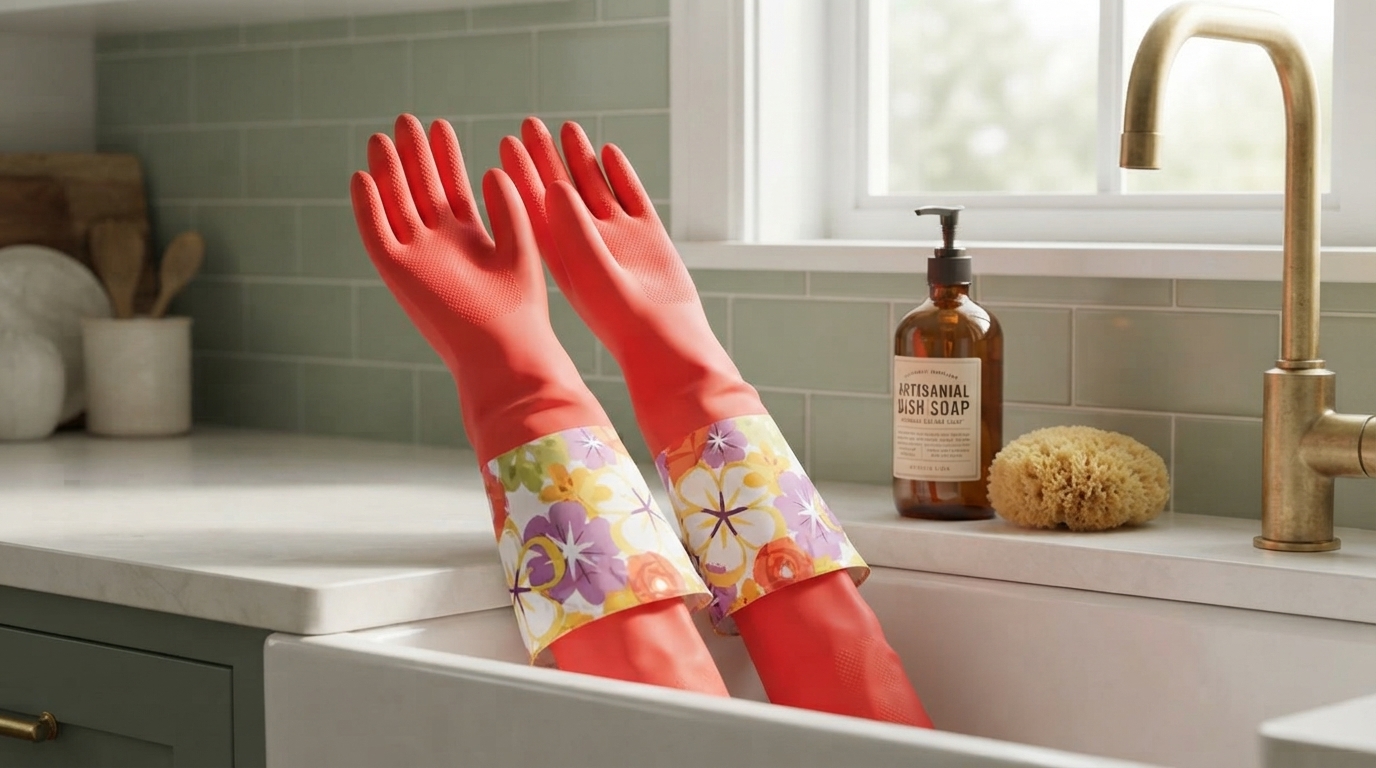
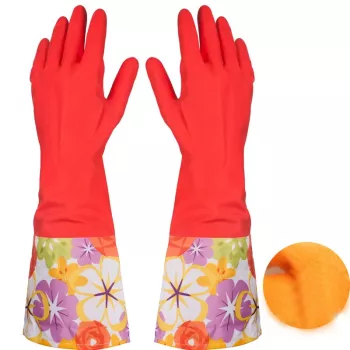
If your priority is staying dry while tackling everyday chores, Waterproof Long Household Dishwashing Gloves – Rubber & PVC Cleaning Protection are designed for wet household tasks where comfort and coverage matter. The long cuff helps reduce splash entry at the wrist during dishwashing and bathroom scrubbing, while the rubber & PVC construction supports waterproof performance for routine kitchen and home cleanup.
More helpful kitchen add-ons
Cleaning goes hand-in-hand with cooking. If you’re already refreshing your kitchen essentials, consider adding a durable cooking surface like the Reversible Pre-Seasoned Cast Iron Griddle with Non-Stick Surface for BBQ and Cooking—a practical option for everything from stovetop breakfasts to backyard grilling (and a good reason to keep reliable dishwashing gloves nearby for cleanup).
FAQ
Can long dishwashing gloves be used with hot water?
Yes for typical dishwashing temperatures, but avoid extreme heat. Use comfortably warm water, keep gloves away from direct heat sources, and stop using them if the material feels overly soft or uncomfortable.
How do long-cuff gloves prevent water from getting inside?
They add extra forearm coverage and help create a better seal above the wrist. Keeping cuffs above the waterline and choosing a secure fit further reduces seepage.
How should household cleaning gloves be cleaned and stored?
Rinse after use, wash lightly with mild soap, rinse again, and hang to dry with the inside fully dried. Store in a cool, dry place away from sunlight to help prevent cracking.
Recommended for you









Leave a comment