New Balance Women’s Black Leather Sneakers for Fall and Winter: Comfort, Grip, and Easy Styling
Leather sneakers can be a cold-season staple when the priorities are warmth, easy cleaning, and an outfit-friendly look. Compared with airy knits and porous mesh, leather tends to block more wind, handle everyday scuffs better, and wipe down quickly after wet sidewalks or salty splatter. Below is a practical guide to choosing women’s leather sneakers for fall and winter—comfort, traction, support, and care—followed by a featured black leather New Balance option built for commuting, errands, and travel.
Why leather sneakers work in cooler months
- More wind-resistant and easier to clean: Leather uppers generally feel less drafty than many knit designs and can be wiped down after rainy walks or messy crosswalk spray.
- Easy to style in cold-weather outfits: Black leather pairs naturally with denim, trousers, leggings, and layered outerwear without skewing overly sporty.
- A more structured feel: A supportive upper can feel steady during longer days on your feet, especially when you’re moving between commuting, errands, and standing in lines.
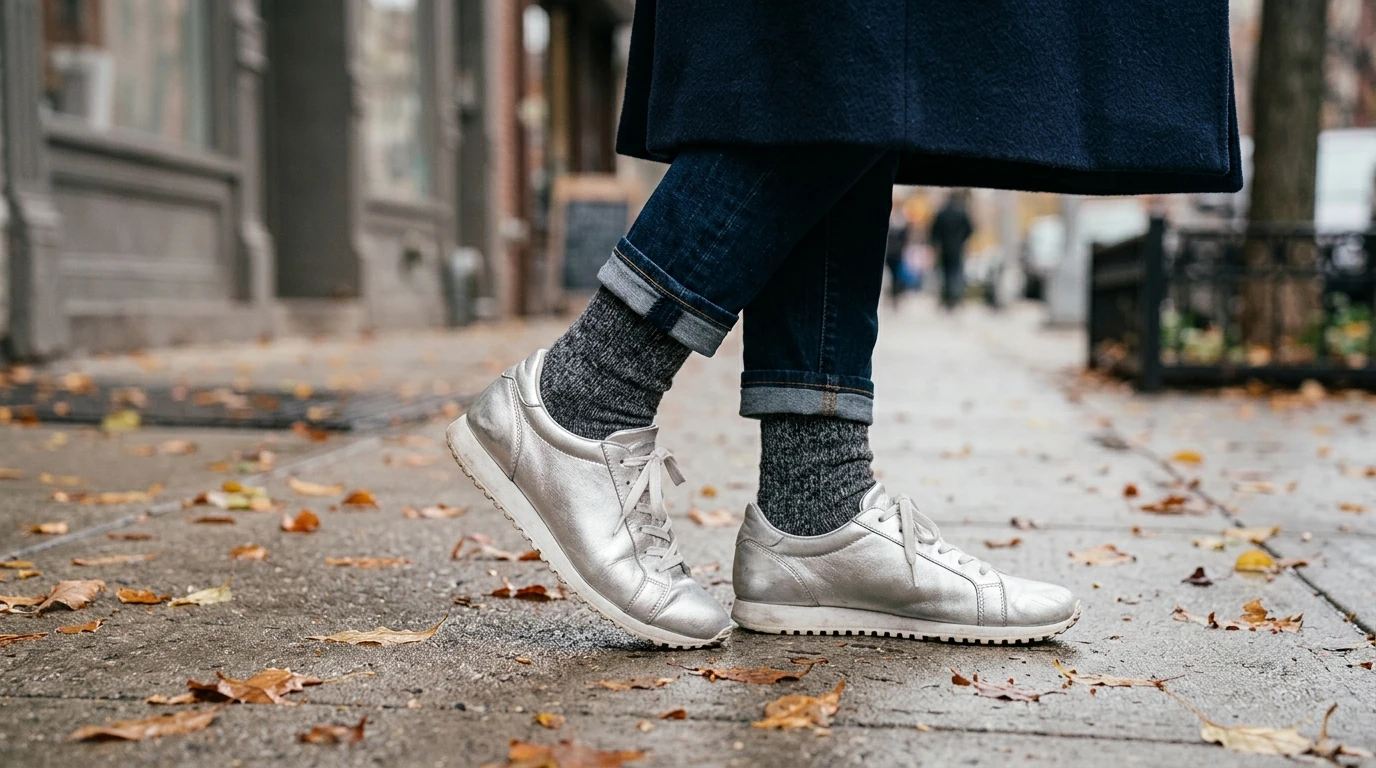
- Works with thicker socks: Leather sneakers often accommodate cozier socks for temperature swings between cold streets and heated indoor spaces—just make sure the fit isn’t tight.
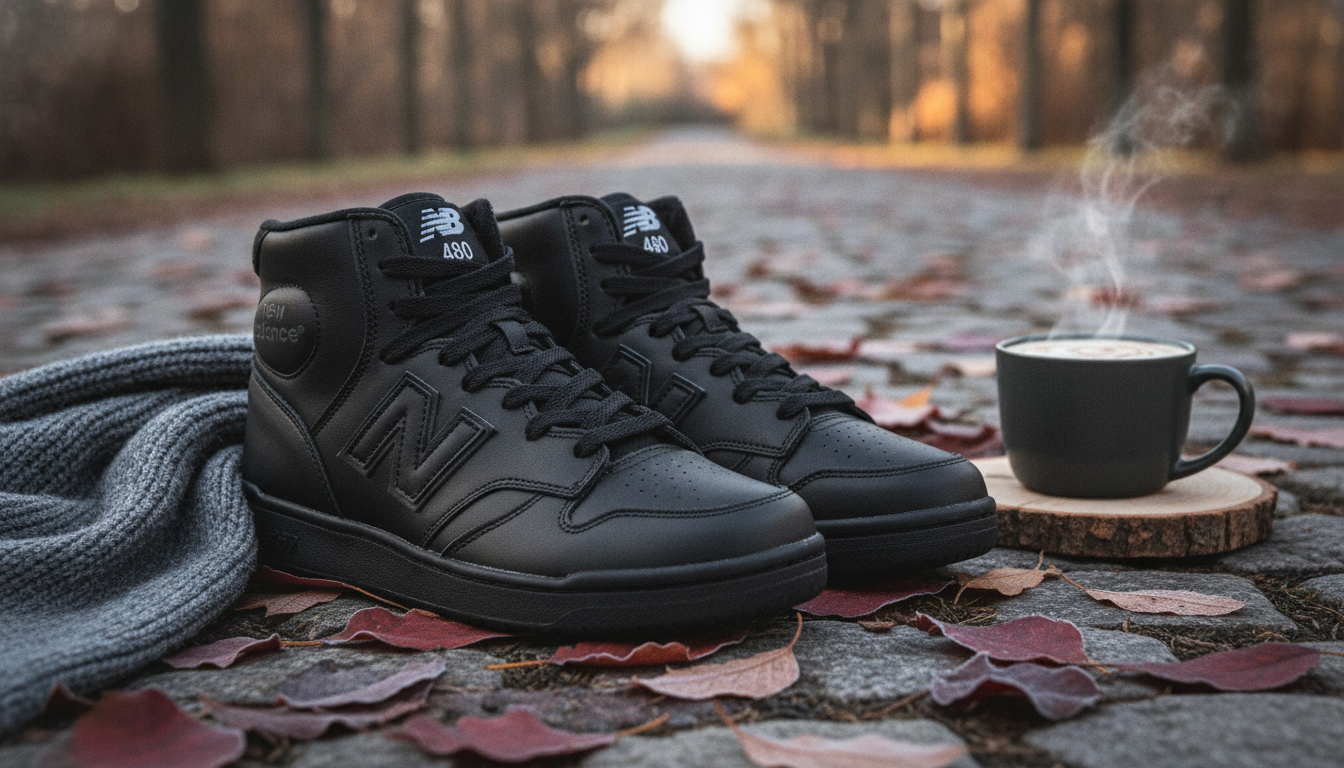
If you want one pair that looks clean with almost everything and still feels appropriate for everyday movement, a black leather New Balance sneaker is a strong cold-season choice. The leather upper helps make quick cleanup simpler than porous fabrics, and the streamlined color makes it easy to dress up or down for a commute, casual office settings, or a weekend walk.
Stock status: In stock
Price point: $63.09
Comfort and support checklist for all-day wear
Fall and winter days tend to involve more hard-surface walking—parking garages, subway steps, tile floors, and pavement—so comfort is less about “pillowy” softness and more about consistent support that holds up for hours.
- Cushioning: Look for a midsole that feels comfortable on hard surfaces without feeling unstable. A balanced ride reduces fatigue on long city blocks.
- Arch support and stability: The shoe should feel steady underfoot. If you tend to overpronate or want extra structure, prioritize a stable platform.
- Heel fit: A secure heel helps prevent rubbing, especially when you switch to thicker socks. Less slipping also lowers the chance of friction hot spots. For blister prevention basics, the American Academy of Dermatology Association offers practical guidance: How to prevent and treat blisters.
- Toe room: Toes should have space to splay naturally. Make sure there’s enough room for warmer socks without pressure across the toenails or the top of the foot.
- Weight: Lighter sneakers often feel better on commuting and travel days. If a shoe feels heavy in-hand, it can feel even heavier after a full day of walking.
Traction and weather readiness
In fall and winter, traction can matter as much as comfort. Wet leaves, light drizzle, and slick crosswalk paint are common slip triggers, even when it isn’t fully raining.
- Outsole grip matters: Choose a tread pattern that isn’t overly flat. Deeper grooves and multi-directional textures typically provide better bite on damp pavement.
- Expect splash resistance, not waterproofing: Leather helps resist light splashes, but seams, the tongue area, and lace holes can still let moisture in. Avoid deep puddles and slushy curbs.
- Rotate pairs when possible: In colder regions, shoes can take longer to dry. Rotating helps each pair fully air out, which is better for comfort and for the material.
- Dress for conditions: If temperatures drop sharply, footwear is only part of staying comfortable. The CDC outlines key cold-weather safety considerations here: Cold Stress.
How to style black leather sneakers in fall and winter
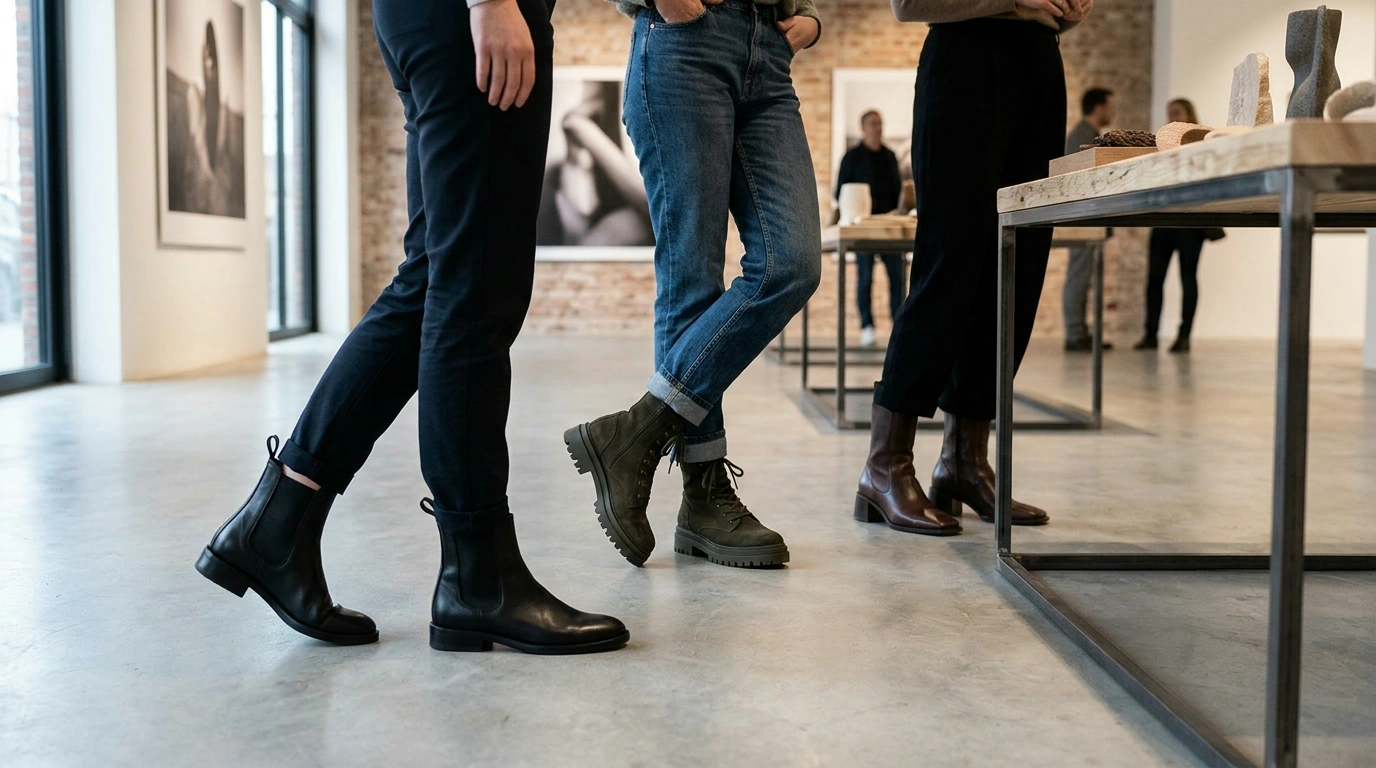
Black leather sneakers have an easy advantage in the colder months: they look intentional with layers. Keep them wiped clean and they can read polished even with casual outfits.
Care tips to keep leather looking fresh
A little routine maintenance goes a long way in winter, especially where sidewalks are gritty or treated with salt. For more context on leather standards and responsible sourcing initiatives, the Leather Working Group is a helpful reference point: Leather Working Group.
Who these sneakers fit best
More in-stock finds to round out the season
FAQ
Are leather sneakers warm enough for winter?
Leather usually blocks wind better than many mesh uppers, but warmth still depends on the lining, your sock choice, and local temperatures. They’re typically best for mild-to-cold days and city wear rather than deep snow or extended time outdoors.
How do leather sneakers handle rain and wet sidewalks?
Leather can resist light splashes and is generally easy to wipe clean, but it isn’t automatically waterproof—water can seep in through seams and the tongue area. Let them dry at room temperature and condition the leather occasionally to help prevent stiffness or cracking.
How should leather sneakers fit with thicker socks?
Try them on with the socks you’ll actually wear in fall and winter, then check for secure heel hold and enough toe room. Size up only if needed—pressure across the top of the foot or cramped toes is a sign the fit is too tight with thicker socks.
Recommended for you









Leave a comment