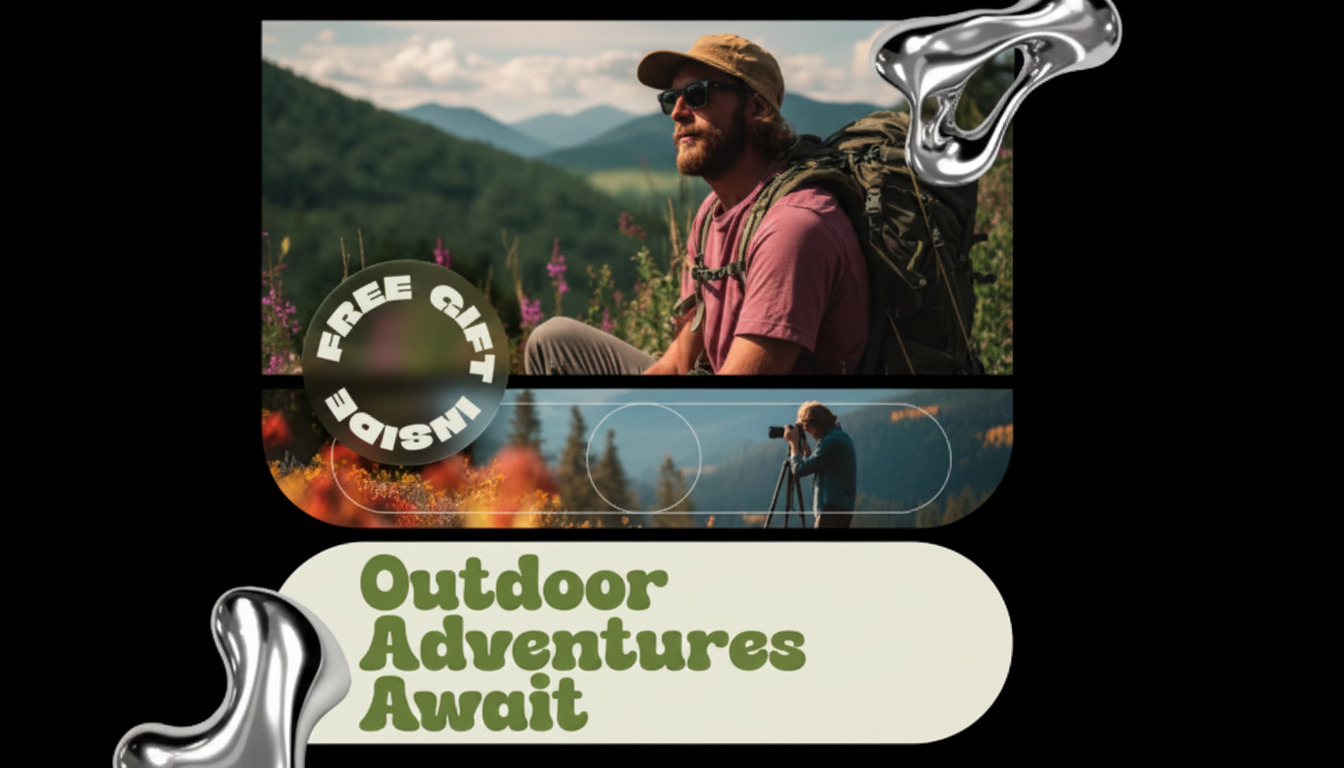
Outdoor hobbies can be as simple as a local trail walk or as immersive as a weekend of camping, paddling, and stargazing. The best part is how flexible “outside” can be: a city park at lunch, a lake at sunset, or a snowy trail in winter. Below is a practical, mix-and-match guide to exploring, creating, and thriving outdoors—plus smart safety habits and gear guidance so you can build momentum without overcomplicating your first steps.
A hobby sticks when it fits your reality: weather, access, schedule, and goals. Before buying gear or planning a big trip, choose an activity that matches local conditions—think climate, daylight hours, seasonal closures, and whether you have quick access to parks or waterways.
For your first outing, aim for “low-friction”: short duration, minimal gear, easy logistics, and a nearby location. Pick a goal that feels motivating but realistic—stress relief after work, weekend fitness, a social routine, skill-building, creativity, or something family-friendly. For unfamiliar activities (especially on water, rock, or snow), use the buddy system and consider a guided session to learn safer basics faster.
Build consistency with local loops you can repeat. Progress gradually by adding elevation or distance, not both at once. A simple habit—like the same Saturday trail—does more than occasional epic hikes.
Start with run/walk intervals to protect joints and build confidence on uneven surfaces. Prioritize traction and ankle stability, and keep early routes familiar so you can focus on footing rather than navigation.
Plan routes with safe shoulders or dedicated paths. Carry a basic repair kit (tube, tire levers, mini pump/CO₂), and practice fixing a flat at home so you’re not learning on the roadside.
Begin on calm, warm water with minimal wind. Learn a few basic strokes and understand self-rescue awareness before pushing distance. Check local conditions and forecasts before launching via NOAA National Weather Service.
Indoor gyms are ideal for learning movement, knots, and belay systems with instruction. Transition outdoors only after you’re confident in core skills and you understand local ethics and access rules.
Snowshoeing is a friendly entry point—intuitive, low-impact, and great for snowy parks. Cross-country skiing adds full-body cardio without the joint stress of running.
| Hobby | Best for | Typical time | Starter cost | Learning curve |
|---|---|---|---|---|
| Hiking | Scenery + stress relief | 1–3 hours | Low | Easy |
| Gravel cycling | Fitness + exploration | 1–4 hours | Medium–High | Medium |
| Kayaking/SUP | Water + core strength | 1–3 hours | Medium–High | Medium |
| Outdoor climbing | Skill + focus | Half day | Medium–High | High |
| Snowshoeing | Winter access | 1–3 hours | Medium | Easy |
Work with light instead of fighting it. Early morning and golden hour often deliver the easiest wins. Use a simple shot list—textures, patterns, wildlife, wide landscapes—to keep your walk purposeful.
Start with common local species and learn behaviors and calls over time. A quick log by date and location turns casual sightings into a rewarding long-term practice.
Confirm identification using reliable regional guides, avoid polluted areas, and respect local rules. When unsure, don’t harvest—photograph and research later.
Choose one small scene: a single tree, a shoreline corner, or a bench in partial shade. Focus on shapes and shadows rather than perfect detail; the goal is noticing, not masterpiece art.
Keep meals high-success: one-pan breakfasts, simple tacos, or grilled vegetables with protein. A reliable cooking surface makes it easier to feed a group without juggling tiny cookware; the Reversible Pre-Seasoned Cast Iron Griddle with Non-Stick Surface for BBQ and Cooking is a practical upgrade for camp stoves or backyard burners.
Learn common local hazards: heat illness, cold exposure, ticks, wildlife behavior, and changing water levels. Build skills progressively by increasing one variable at a time (distance, elevation, technical difficulty, or remoteness). For widely applicable guidance, review National Park Service: Hiking Safety and practice low-impact ethics from the Leave No Trace Center for Outdoor Ethics.
If you want a structured menu of ideas—movement-based adventures, creative outdoor pursuits, and ways to stay consistent—explore Outdoor Adventures Await – A Complete Guide to Hobbies for Outdoor Lovers | Explore, Create & Thrive Outside. It’s an easy way to keep options fresh when you’re ready to branch out without starting from scratch.
Hiking or a simple trail walk is usually the quickest start: choose a nearby loop, go for 60–90 minutes, and bring water and layers. Birdwatching, geocaching, and outdoor journaling are also easy because they work well in local parks with minimal gear.
Borrow or rent for gear-heavy activities, buy used when possible, and prioritize multi-use items like layers and a daypack. Stick to local parks and repeat nearby routes while you build skills before upgrading equipment.
Bring water, a snack, weather-appropriate layers, sun protection, a small light (like a headlamp), and a charged phone with offline maps when possible. Tell someone where you’re going and when you expect to be back.









Leave a comment