Styling Patterned Dresses With Ease: A Practical Pattern-Mixing Guide
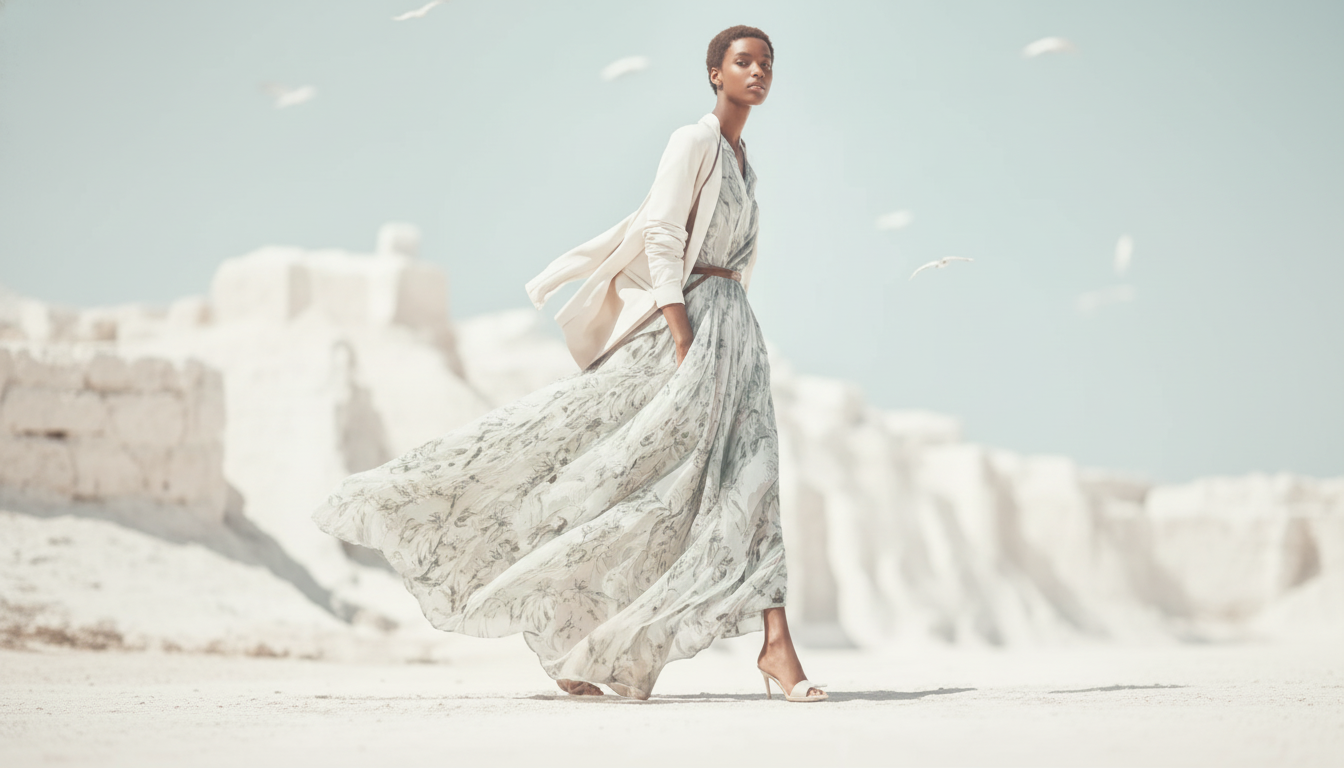
Patterned dresses can look instantly polished—or instantly overwhelming—depending on how the rest of the outfit is built. The easiest way to keep prints wearable is to use a repeatable system: make the dress the clear “hero,” manage scale and color, and add a few solid pieces that act like visual breathing room. Once those basics are in place, you can confidently dress a print for everyday errands, office days, travel, and special events without second-guessing every accessory.
Start With One “Hero” Pattern
When the dress has a print, it already does most of the styling work. Let that print lead, and treat everything else as supporting cast.
- Make the dress the focal point: Choose calmer layers and accessories so the print reads intentional—not crowded.
- Name the print type: Florals tend to feel organic, stripes read graphic, polka dots feel playful, geometrics look modern, and animal prints skew bold. Knowing the “family” helps you pick compatible partners.
- Echo one dominant color: Pull one shade from the dress and repeat it in a shoe, bag, belt, or layer for instant cohesion.
- Set the mood first: Playful outfits use higher contrast, classic outfits stay muted and tonal, and bold outfits mix motifs on purpose (with guardrails).
Use Scale, Contrast, and Spacing to Keep It Easy
Most pattern-mixing problems come from two prints competing at the same intensity. Fix that by changing the scale, softening the contrast, and adding solid breaks.
- Mix pattern scales: Pair a large-scale dress print with a small-scale accent (or do the reverse). This creates hierarchy instead of a “tie.”
- Control contrast: If your dress is high-contrast (like black-and-white), keep any second pattern low-contrast or tonal.
- Add spacing with solids: A denim jacket, blazer, cardigan, or solid belt makes clean visual breaks so the outfit can breathe.
- Limit to two patterns at first: A third can work only if it repeats an existing color and stays subtle (think texture, micro-checks, or a very quiet stripe).
Quick Pattern Pairing Rules (Low-Stress Defaults)
| Dress pattern |
Easy second pattern |
Best solid “breather” |
What to avoid |
| Floral |
Thin stripe or micro-dot |
Denim, cream, tan |
Another large floral at similar scale |
| Stripe |
Polka dot or small gingham |
Navy, black, white |
Conflicting stripe directions at same width |
| Polka dot |
Soft stripe or subtle animal |
Camel, black, ivory |
Big dots + busy accessories |
| Geometric |
Simple stripe (narrow) or solid texture |
Charcoal, white, neutral knit |
Another sharp geometric with high contrast |
| Animal print |
Minimal stripe or tonal micro-pattern |
Black, tan, olive |
Bright multicolor prints that fight the palette |
Color Strategy: Pick 2–3 Colors and Repeat Them
Color is the shortcut that makes mixed patterns look planned. Instead of matching everything, build a tight palette you can repeat throughout the outfit.
- Pull a simple palette from the dress: Start with one neutral (black, navy, cream, tan), one main color, and one accent.
- Repeat in small doses: Earrings, a belt, a shoe color, or even a hair accessory can quietly “connect” the look.
- Tonal mixing is the fastest win: Navy-on-navy or cream-on-cream patterns look sophisticated with minimal effort.
- For multicolor dresses, use the background color: Choosing accessories that match the dress’s base tone calms the overall effect.
For ongoing outfit inspiration and print history context, browse style coverage at Vogue, outfit ideas at Elle, and fashion exhibitions at The Museum at FIT.
Layers That Make Patterned Dresses Wearable Anywhere
Layers act like “frames” for a print. The right topper can take the same dress from office-ready to weekend casual in seconds.
- Work-ready: Add a structured blazer in a neutral pulled from the dress. Keep jewelry minimal and let the print do the talking.
- Weekend: Denim jackets and utility jackets soften dressy prints. Finish with sneakers or flat sandals and one simple bag color.
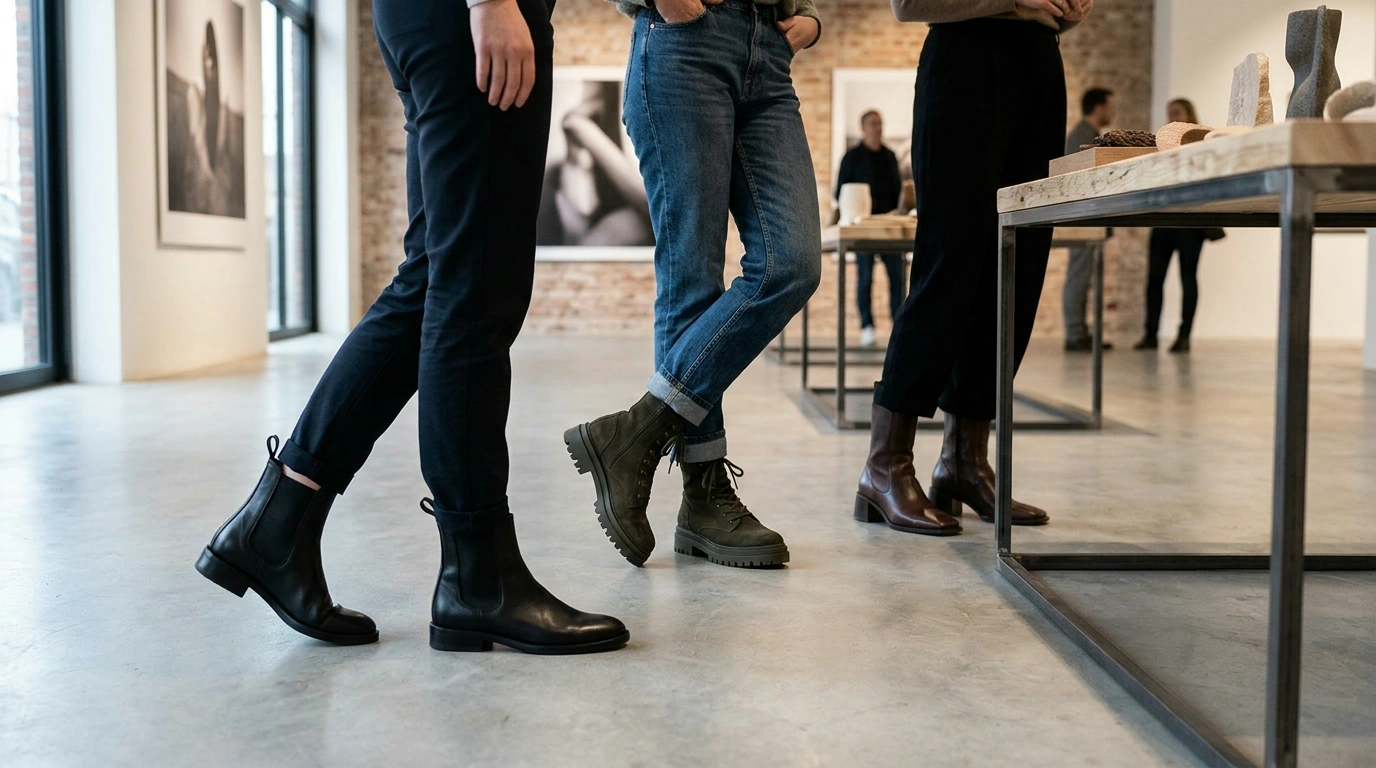
- Cool weather: Try a long cardigan, solid tights that match the dress background, and ankle boots for a streamlined look.
- Evening: A sleek leather jacket or tailored coat sharpens a patterned dress. Keep any second pattern out of the outer layer unless it’s subtle and tonal.
Accessory Checklist: The Fastest Way to “Finish” a Pattern
When a patterned dress feels “almost right,” accessories are usually the missing step. Use these defaults to finish quickly without overthinking.
Outfit Formulas That Work on Repeat
Digital Guide: A Checklist-Based Way to Mix Patterns Without Overthinking
FAQ
What patterns look best together with a patterned dress?
Pair one bold print with a smaller, simpler print like thin stripes, micro-dots, or subtle gingham. Keep colors aligned by repeating one or two shades from the dress, and stop at two patterns for most outfits.
How many patterns can be worn at once without looking too busy?
Two patterns is the easiest default. A third can work if it’s subtle, repeats an existing color, and you include solid “breather” pieces like a neutral layer or simple accessories.
What shoes go with a patterned dress when nothing seems to match?
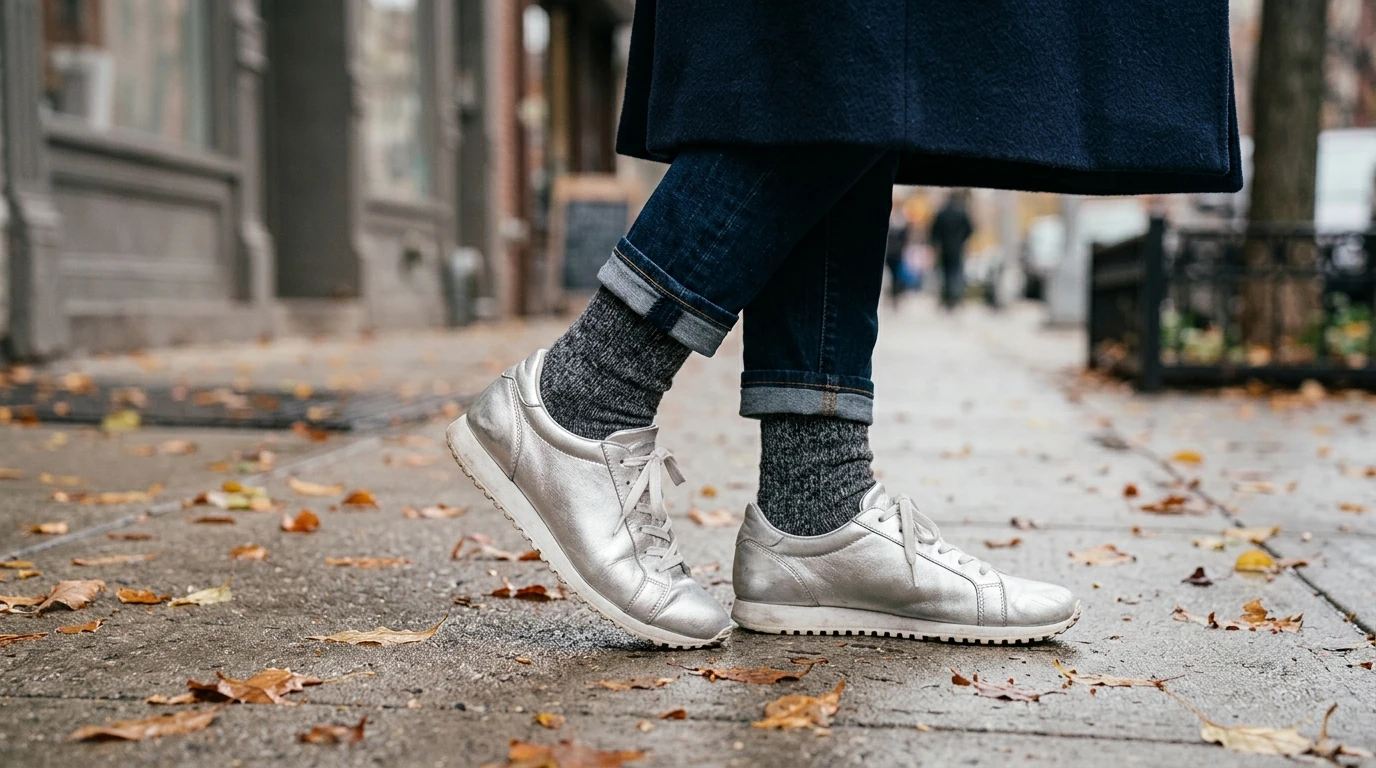
Use dependable anchors: nude/skin-tone, black, white, or a shoe that matches the dress’s background color. Metallic shoes also act like a neutral and are especially easy for evening looks.
Recommended for you








Leave a comment