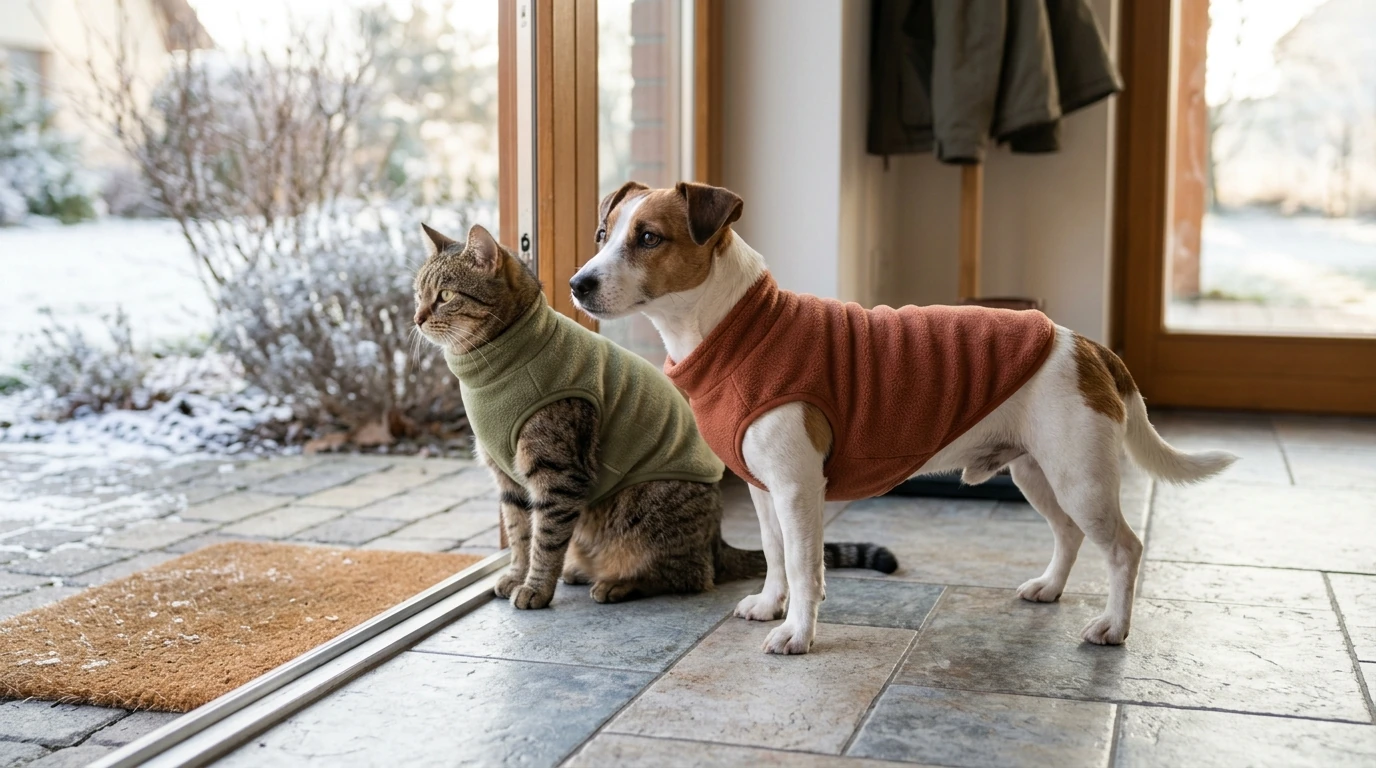
Cold walks and chilly indoor floors can leave small pets shivering fast. A plush winter vest adds an easy layer of insulation while keeping movement comfortable for play, naps, and quick potty breaks. For petite dogs and cats, the goal is simple: protect the chest and core (where they cool down quickly) without adding so much material that it changes their gait or makes them freeze up.
Cold-weather safety matters beyond comfort, too. If temperatures drop sharply or your pet is showing signs of struggling in the cold, it’s worth reviewing guidance from trusted sources like the American Veterinary Medical Association (AVMA) and the ASPCA.
A vest-style layer is a practical option for many pets, but it’s especially helpful for smaller bodies that lose heat faster. This type of piece is designed to add warmth where it counts, while staying light enough for everyday routines.
If your pet tends to hesitate at the door, lift paws on cold pavement, or curl into a tight ball more than usual, a lightweight vest can be a low-stress way to add warmth without turning winter into a wrestling match.
Warmth alone isn’t enough—comfort comes down to how a vest sits on the body, how it moves with the shoulders, and how it fastens. The best everyday vest feels “barely there,” while still adding noticeable insulation.
| Feature | Why it matters | What to check before buying |
|---|---|---|
| Soft plush interior | Helps trap body heat and reduces skin irritation | No scratchy seams; smooth edges at arm openings |
| Flexible fit | Prevents rubbing and keeps gait natural | Pet can sit, stretch, and turn easily |
| Chest coverage | Supports warmth where heat loss is common | Vest sits flat on the chest without gaps |
| Secure closure | Prevents slipping during play or walks | Fastens snugly without compressing the belly |
| Easy on/off | Less stress for sensitive pets | No struggling around ears or paws |
Fit is the difference between a vest your pet forgets they’re wearing and one that ends up in a drawer. Measure carefully, then double-check mobility after it’s on.
Practical fit check: once fastened, you should be able to slide two fingers under the vest at the chest/neck area. If your pet’s steps look shortened, the arm openings may be too tight or sitting too far forward.
A plush vest works best as an “as-needed” layer. Use it for colder moments and remove it when the environment warms up—especially for indoor lounging near heaters.
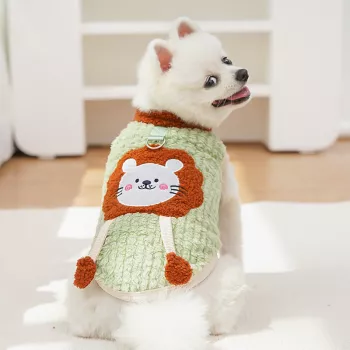
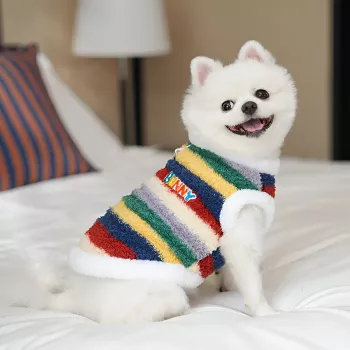
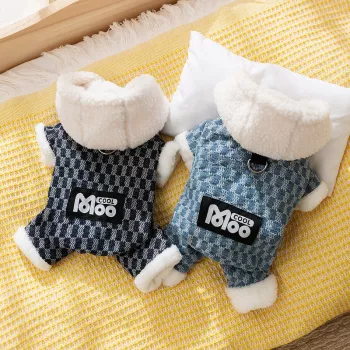
For small pets that need warmth without feeling weighed down, the Cozy Plush Winter Vest for Small Dogs & Cats offers soft insulation in a comfort-focused vest design. It’s built to keep the core warmer on cold mornings, quick evening potty breaks, and in drafty indoor spots where small bodies chill quickly.
| Item | Price | Availability |
|---|---|---|
| Cozy Plush Winter Vest for Small Dogs & Cats | $12.82 | In stock |
Aim for snug but not restrictive: you should be able to fit two fingers comfortably at the chest/neck area. Your pet should breathe easily and walk without the vest rubbing at the armpits.
Usually yes, as long as both pieces fit correctly. Make sure harness straps don’t dig in or shift the vest, and check for friction points after the first walk.
Use the vest for colder rooms and outdoor time, then remove it when your pet is warming up. If you notice panting, restlessness, or unusually warm ears/belly, take the vest off and let them cool down.










Leave a comment