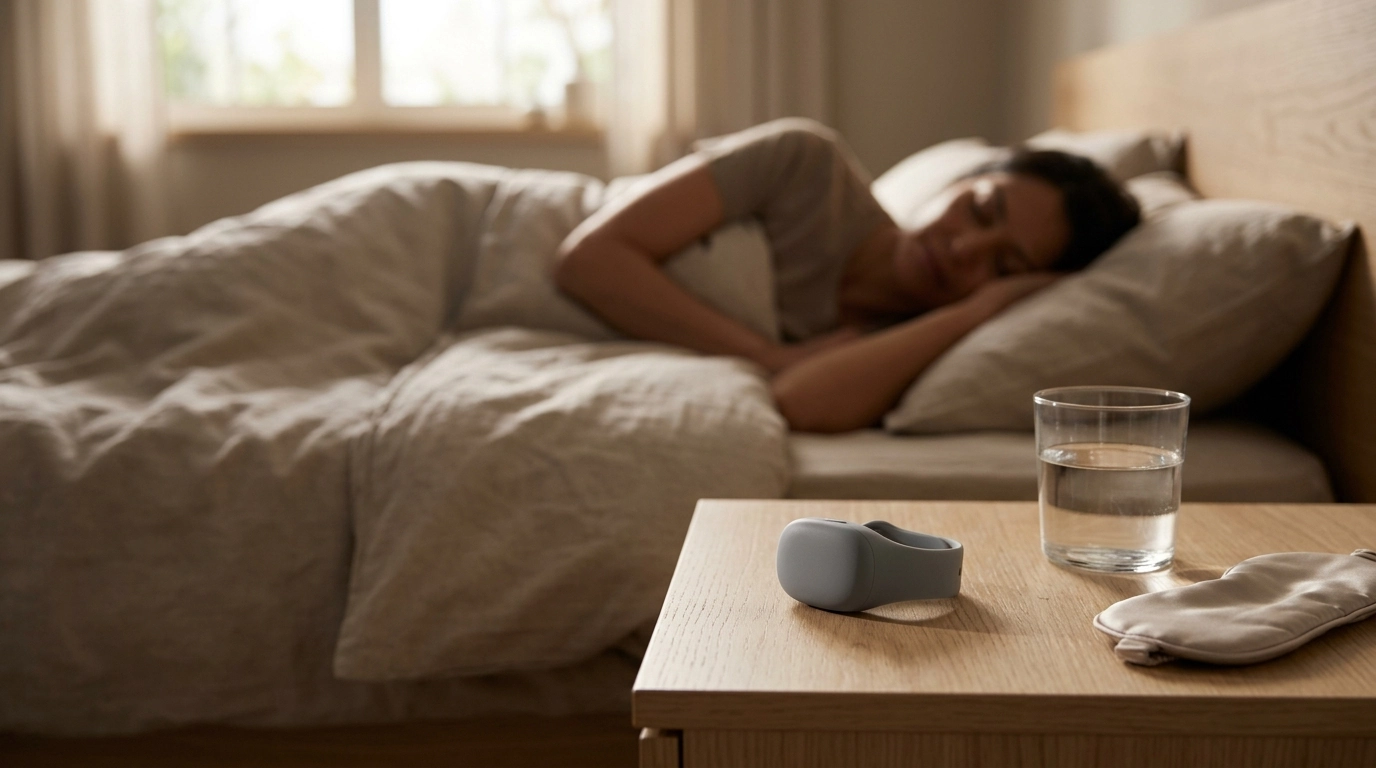
Snoring often starts when airflow becomes restricted and soft tissues vibrate during sleep. A smart anti-snoring device aims to reduce snoring by encouraging a healthier airway position or breathing pattern with minimal disruption. This guide covers what to expect, how to use it safely, and how to decide if it matches typical snoring causes and sleep habits.
Snoring is common, but the pattern behind it matters. For many adults, it shows up when the airway is a little narrower than usual or when throat muscles relax more than normal during deep sleep.
For a deeper medical overview, review guidance from the American Academy of Sleep Medicine and the Mayo Clinic.
Most anti-snoring devices try to interrupt the “vibration setup” that creates snoring—usually by improving airflow or reducing airway collapse triggers. A smart device typically focuses on gentle intervention that’s easier to tolerate than rigid, forceful repositioning.
If snoring is affecting sleep quality, it can help to start with a non-invasive option before exploring more complex interventions. A compact device can be a practical “first step,” especially when paired with simple habits that keep the airway more open.
| Snoring trigger | What may help alongside a device | Notes |
|---|---|---|
| Back sleeping | Side-sleep positioning (body pillow, wedge support) | Many people snore more on their back due to gravity-related airway narrowing. |
| Nasal congestion | Saline rinse, humidifier, allergy management | If nasal airflow is restricted, addressing congestion can improve comfort and results. |
| Alcohol near bedtime | Reduce or avoid within 3–4 hours of sleep | Alcohol relaxes airway muscles and can increase snoring intensity. |
| Dry air / dry mouth | Hydration and humidification | Dryness can worsen irritation and perceived noise. |
| Possible sleep apnea | Medical screening and targeted treatment | Devices for snoring are not a substitute for sleep apnea care. |
Most people give up on snoring solutions for one reason: they’re annoying to use at 1:30 a.m. A comfort-first routine makes it far more likely the device will be used consistently enough to judge results.
Snoring isn’t one-size-fits-all, and neither are snoring devices. The best results usually come when the device matches the main driver of the snoring pattern.
For medical background on sleep apnea, the NIHLBI (NIH) provides a helpful overview of symptoms and next steps.
Some people notice changes within a few nights, but a fair trial is usually 7–14 nights. That window helps account for congestion, sleep position changes, and getting used to the device.
No. Snoring can be a symptom of obstructive sleep apnea, but sleep apnea requires proper screening and targeted treatment. Seek medical advice if there are choking/gasping episodes, severe daytime sleepiness, or witnessed breathing pauses.
Stop use and reassess fit/placement and how long you’re using it each night. If discomfort continues, switch strategies and consider medical guidance—sleep solutions should improve sleep, not make it harder.












Leave a comment