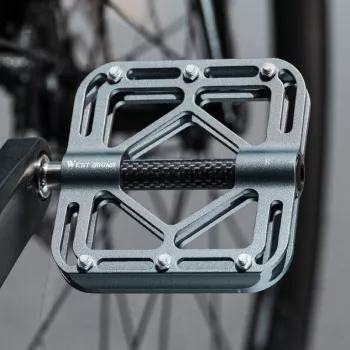
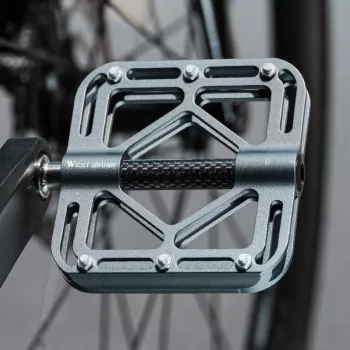
Light pedals can sharpen acceleration, improve pedaling feel, and reduce fatigue on long rides—especially when rotating mass is kept low without sacrificing durability. These ultralight pedals pair a titanium shaft with a carbon fiber sleeve for riders who want an efficient, responsive platform for road miles, gravel adventures, and XC-style trails. Below is a practical breakdown of what matters most: materials, fit, setup, and how to keep them running smoothly. For more guidance, see Best road bike pedals 2026.
Pedals are small parts with a big influence on how direct your power feels at the crank. An ultralight build can make repeated accelerations feel cleaner, especially when cadence changes quickly.
This combo is popular because it targets weight reduction without making the pedal feel vague under load.
Before ordering, verify the basics—thread standard, shoe interface, and clearance—so installation is quick and your fit stays consistent.
| Checkpoint | What to verify | Why it matters |
|---|---|---|
| Thread size | 9/16″ x 20 TPI on most adult cranks | Prevents cross-threading and crank damage |
| Left/right installation | Left pedal tightens counterclockwise; right tightens clockwise | Avoids stripped threads and loosening |
| Grease or anti-seize | Light coat on pedal threads | Reduces creaks; makes removal easier |
| Torque | Tighten firmly per crank/pedal guidance | Minimizes play and protects threads |
| Cleat position (if applicable) | Fore-aft and angle aligned to natural foot angle | Improves comfort and knee tracking |
Ultralight pedals tend to stand out most when rides involve frequent changes in pace or long periods of steady pressure on the drivetrain.
Most pedal issues—creaks, loosening, damaged threads—come from rushed installation. A few careful steps can prevent weeks of annoyance.
For step-by-step visuals and best practices, see Park Tool’s pedal installation and removal guide and the thread standard notes on Sheldon Brown’s pedal reference.
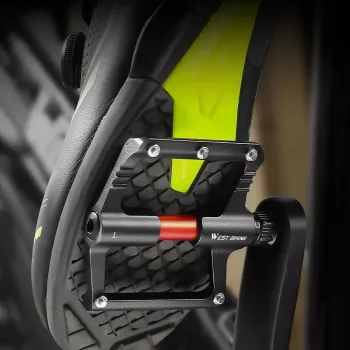
If the goal is a lighter, more responsive interface at the crank, start with Ultralight MTB & Road Bike Pedals with Titanium Shaft and Carbon Fiber Sleeve. Current price and availability can change, so confirm stock before checkout.
Small add-ons can improve the overall experience. For riders who like quick post-ride recovery and reduced puffiness after hot weather rides, Ice Roller for Face & Eyes – Skin Tightening Facial Massage Tool is an easy, packable option for home use.
Most adult road and MTB cranks use the standard 9/16″ x 20 TPI pedal thread, which is what these pedals are designed for. Confirm your crank standard before installing, and make sure the left pedal (reverse thread) and right pedal are installed on the correct sides to avoid thread damage.
Titanium is widely used for its high strength-to-weight ratio and corrosion resistance, which can make it a strong choice for XC and gravel use. Durability still depends on riding style, avoiding frequent hard rock strikes, and keeping the pedals properly installed and maintained.
Clean the crank threads, apply a light coat of grease or anti-seize, and tighten the pedals firmly according to guidance for your crank and pedal. Re-check tightness after the first rides, and if you’re using clipless shoes, replace worn cleats before they create slop that accelerates noise and wear.










Leave a comment