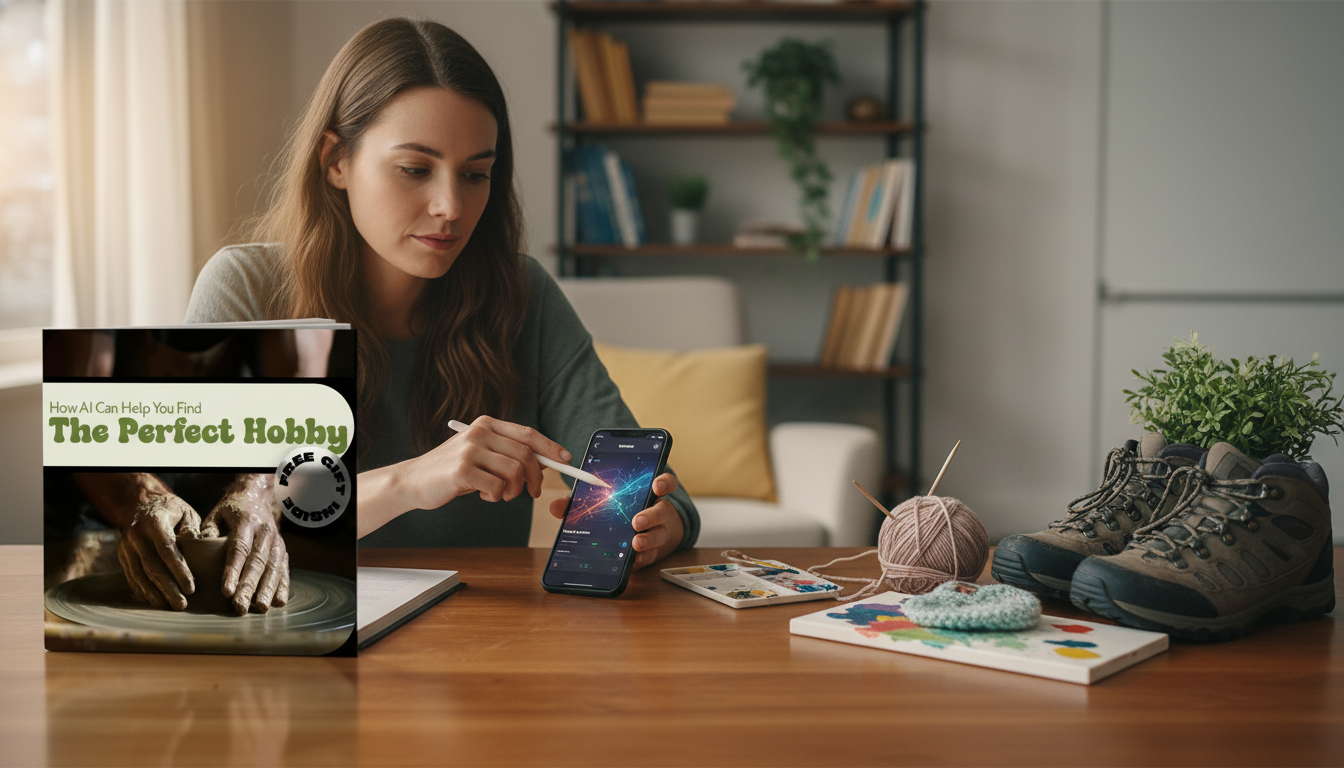
Finding a hobby can feel overwhelming when options are endless and time is limited. AI tools can narrow the field quickly by turning your preferences, constraints, and curiosity into a short list of hobby “matches” to test in real life. The goal isn’t to let an algorithm decide who you are, but to use AI as a fast, structured way to explore, compare, and commit to activities that fit your lifestyle and motivations.
Most hobby searches fail for practical reasons—not because you “don’t have interests.” A smart approach starts by reducing noise and increasing the speed of feedback.
AI is best at narrowing options and organizing next steps. It’s not a substitute for lived experience.
If you only do one thing, do this. It turns “I should get a hobby” into a short list you can actually try.
Write down your available weekly time, preferred intensity (calm vs. high-energy), budget, indoor/outdoor preference, and solo/social preference.
List 3–5 moments you lost track of time, topics you binge-watch/read, or skills you admire in other people.
Choose your top 1–2 reward types: creation (make things), mastery (improve skills), connection (meet people), or recovery (relax). Motivation is easier to sustain when the reward matches what you actually need; the American Psychological Association’s motivation resources can help you recognize what drives you.
Request 3–5 hobby categories, with 3 specific hobby options per category. “Specific” means you can picture doing it this weekend.
Have AI rank options by cost-to-try, time-to-first-win (how fast you can get a small success), and accessibility (space, location, beginner friendliness).
| Your input | What AI should return | What to check in real life |
|---|---|---|
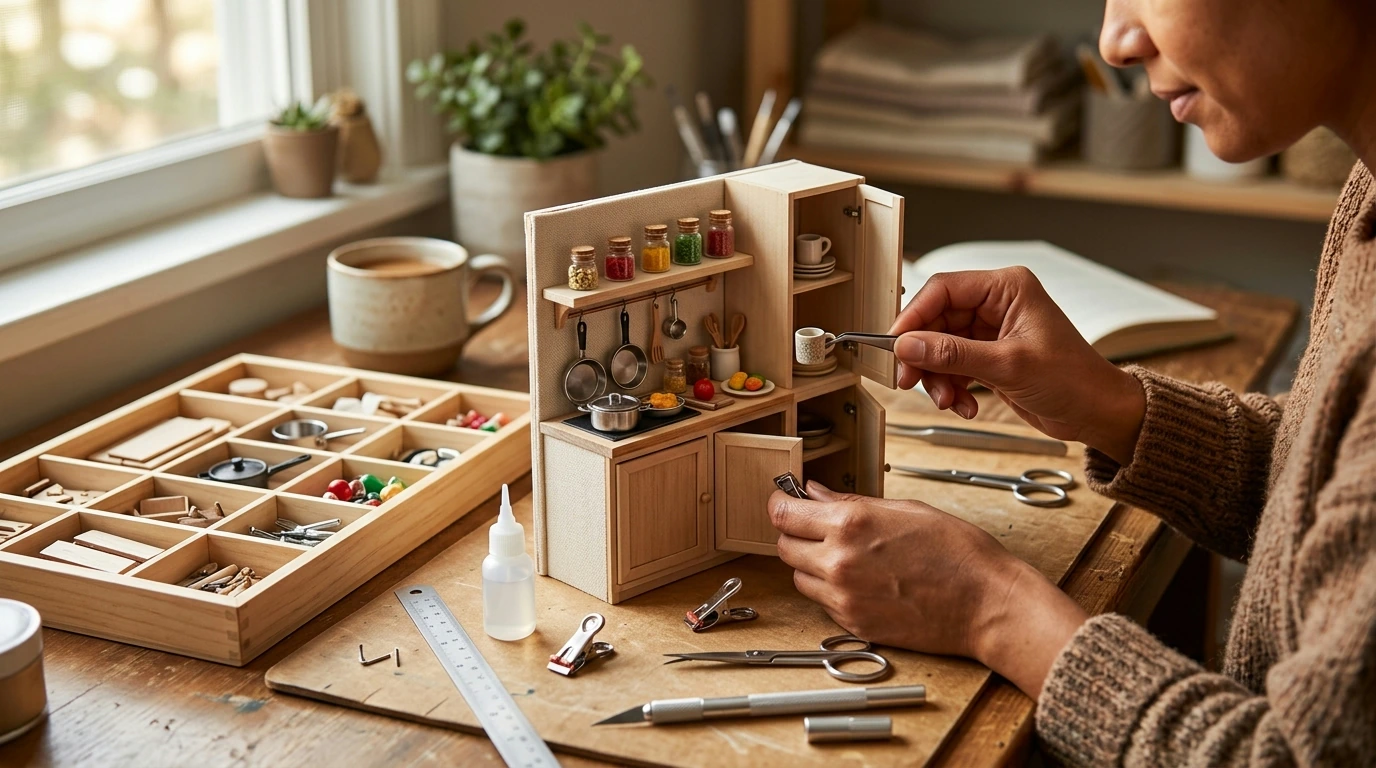
| Low budget, small apartment, likes hands-on projects | Miniatures, origami, bread baking, model painting | Mess level, storage needs, cleanup time |
| Wants social + outdoors, moderate fitness | Beginner hiking groups, pickleball, community gardening | Local access, group vibe, injury risk |
| Creative + tech curious, prefers solo | Digital illustration, music production, 3D modeling | Software learning curve, screen time tolerance |
| High stress, needs calming routine | Yoga, journaling, watercolor, slow photography walks | How you feel after 20 minutes, not during minute 1 |
A hobby becomes “real” when it’s scheduled, small, and repeatable. Use AI to plan the first two weeks, not your entire future.
AI can suggest and rank options based on your constraints and interests, but it can’t predict enjoyment with certainty. The fastest way to find a real match is to run short trials and listen to your “after” signals—energy, curiosity, and the urge to do it again.
Share your weekly time, budget range, space limitations, preferred energy level, solo vs. social preference, and learning style, plus a few “spark moments” (things you naturally binge or admire). The more concrete your constraints are, the more practical the recommendations become.
Aim for tiny wins, follow the two-session rule, and schedule sessions where setup is minimal. Use AI for short micro-plans and quick adjustments so you keep momentum without turning the hobby into a research project.











Leave a comment