
Saving for a trip when money feels stretched starts with making the goal small, specific, and automatic. Instead of “save for vacation,” pick a target like “$600 by May 15,” then break it into a weekly number. Once the math is clear, the plan becomes a set of simple habits rather than a constant willpower test.
Price the big categories—transportation, lodging, food, activities, and a cushion for surprises. If the total feels too high, adjust the destination, timing, or length before you start saving. A smaller trip you can actually fund beats a “dream” plan that creates stress.
Open a dedicated savings bucket or separate account and name it for the trip. Set an automatic transfer for payday (even $10–$25 helps). Add a second rule: anytime you skip a purchase—takeout, rideshare, impulse buys—move the same amount into the vacation fund.
Focus on low-pain cuts: pause unused subscriptions, plan cheaper groceries for a month, and set a weekly “fun money” cap. Also try a no-spend weekend or two; redirect what you would have spent straight into savings.
Sell items you no longer use, pick up a short-term side gig, or cash in credit card points for flights or hotels. If you get a bonus, tax refund, or cash gifts, commit a percentage (like 50–100%) to the trip immediately.
Add a small buffer so one unexpected bill doesn’t derail you. If you’re paying down high-interest debt, consider a modest vacation timeline that doesn’t compete with essentials.
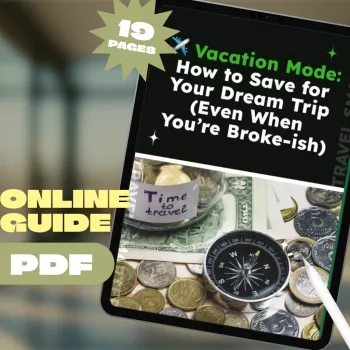
For a step-by-step “vacation mode” approach with more practical ideas, visit this guide on saving for a dream trip on a tight budget.
Choose off-peak dates, lock in a firm spending cap, and prepay what you can (like lodging) after comparing options. Use cash-based daily limits and avoid “buy now, pay later” plans for travel costs.












Leave a comment