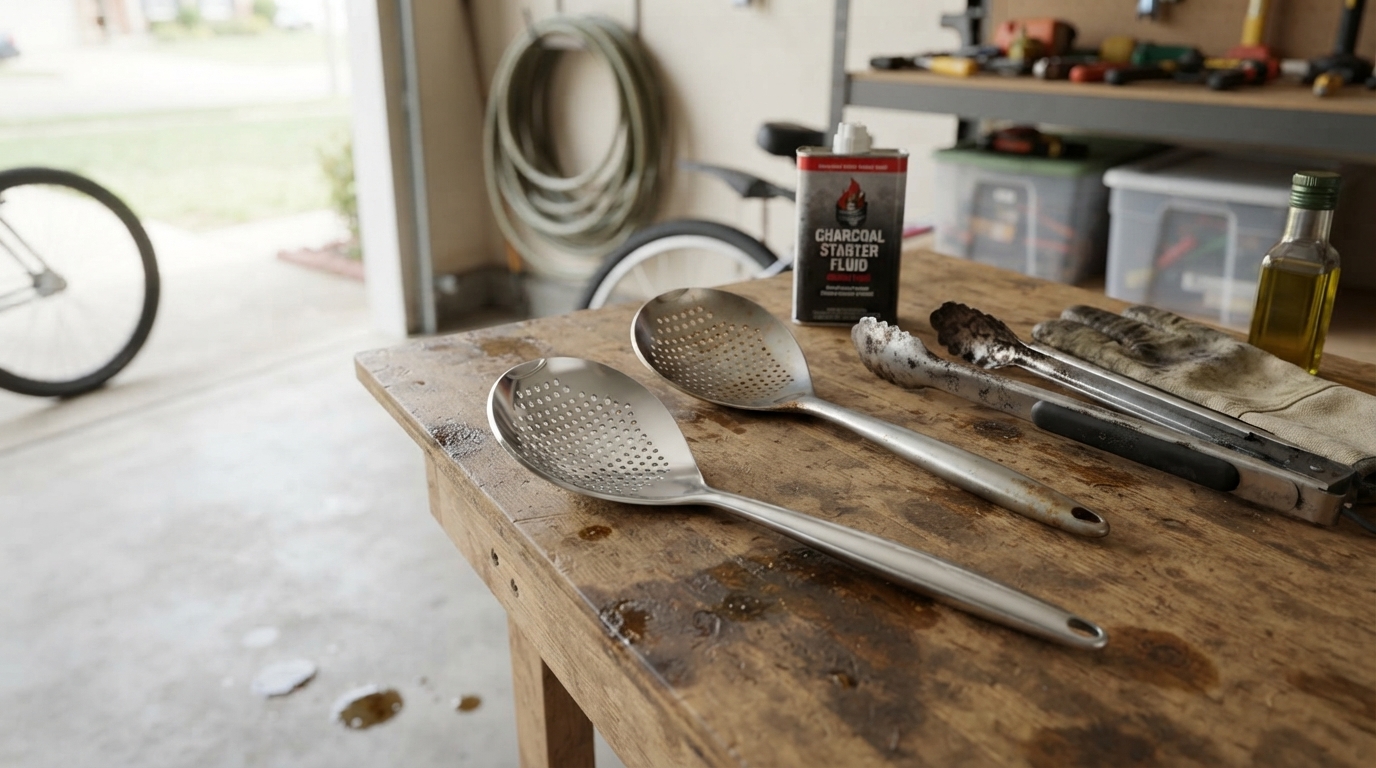
Yes—stainless steel is generally fine outside, and it’s one of the most practical metals for outdoor use because it resists rust and staining better than plain steel. That said, “stainless” doesn’t mean “stain-proof.” Outdoor conditions like rain, coastal salt air, pool chemicals, fertilizer, and constant humidity can still cause discoloration or surface corrosion over time, especially if the grade of stainless steel isn’t designed for harsh environments.
Stainless steel contains chromium, which forms a thin protective oxide layer on the surface. When the surface is clean and exposed to oxygen, that layer helps block rust. Outdoors, this protection works well for typical yard, patio, and garden conditions—particularly when the item is rinsed or wiped down occasionally and allowed to dry.
The biggest trouble spots are salt and chlorides. Near the ocean, in coastal fog, or around pools and hot tubs, chloride exposure can lead to pitting (tiny pinholes) and tea-staining (brownish discoloration). Stainless steel can also show spots from hard water, and it may pick up surface rust from contact with carbon steel tools, grills, or wire brushes.
Simple care goes a long way:
Many kitchen and utility items made from stainless steel can handle outdoor use—especially when they’re cleaned and stored dry between uses. For a practical example of stainless-steel durability and upkeep in a real product, see this guide: 14-inch stainless steel fine mesh colander oil skimmer guide.
It can develop spots or light surface corrosion if left wet for long periods, especially in salty or polluted environments. Regular rinsing and drying helps prevent staining and keeps the protective layer working.







Leave a comment