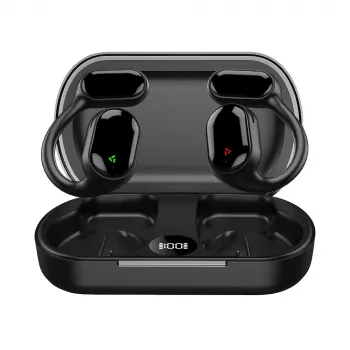
Yes—bone conduction headphones come with trade-offs that can matter depending on how and where you listen. They’re excellent for situational awareness because your ear canals stay open, but that same design can limit audio isolation and impact sound quality compared with traditional in-ear or over-ear headphones.
Because bone conduction sends vibrations through your cheekbones instead of pushing air through the ear canal, bass often has less punch and overall detail can sound thinner. For podcasts, calls, and casual playlists, many people find it more than adequate. For bass-heavy music or critical listening, it may be disappointing.
Open-ear listening is great for safety, but it also lets in traffic, gym noise, or wind. In a loud setting, you may turn volume up to compensate, which can reduce comfort and battery life and still won’t recreate the “sealed” feeling you get with earbuds.
Some users notice a tickling or buzzing sensation at higher volumes, especially near the temples. Fit also matters: frames, helmets, and certain sunglasses can create pressure points where the band sits, making long sessions less comfortable.
While bone conduction is generally quieter to bystanders than open-back headphones, it can still leak sound—particularly at higher volumes. In a quiet office, others nearby may hear faint audio.
Many bone conduction sets are designed for workouts and outdoor use, so microphone quality can range from “fine” to “frustrating,” especially in wind. If clear calls are a priority, it’s worth checking models that add noise reduction and better wind handling.
If you’re comparing options for workouts, swimming, or everyday use, see the deeper buying tips and feature breakdowns here: waterproof bone conduction earbuds guide.
They can be, but only if the model is truly waterproof and supports offline playback (like built-in storage), since Bluetooth doesn’t work well underwater. Always check the IP rating and whether the brand explicitly approves swimming use.










Leave a comment